10% OFF·Summer Direct-Booking Offer — code SUMMER10·ends 2026-06-30
Istanbul10 min readLast reviewed: June 6, 2026

Istanbul Travel Guide for First-Time Visitors — Practical

A first trip to Istanbul can feel like a lot at once: two continents, two airports, a transit card you need before you do anything. This guide cuts through it so you sort the basics fast and spend your time on the city itself.

GE

GoldenSunsetTour Editorial Team

Bosphorus cruise operations since 2001

Book this cruise

Plan Your Bosphorus Cruise

From €30 · Book direct — no OTA markup, instant confirmation.

Compare shared sunset, dinner cruises, and private yacht charters in one place — pick what fits your group.

Pier: Karaköy / Kabataş / Kuruçeşme

TÜRSAB #14316 · since 2001 · 4.78★

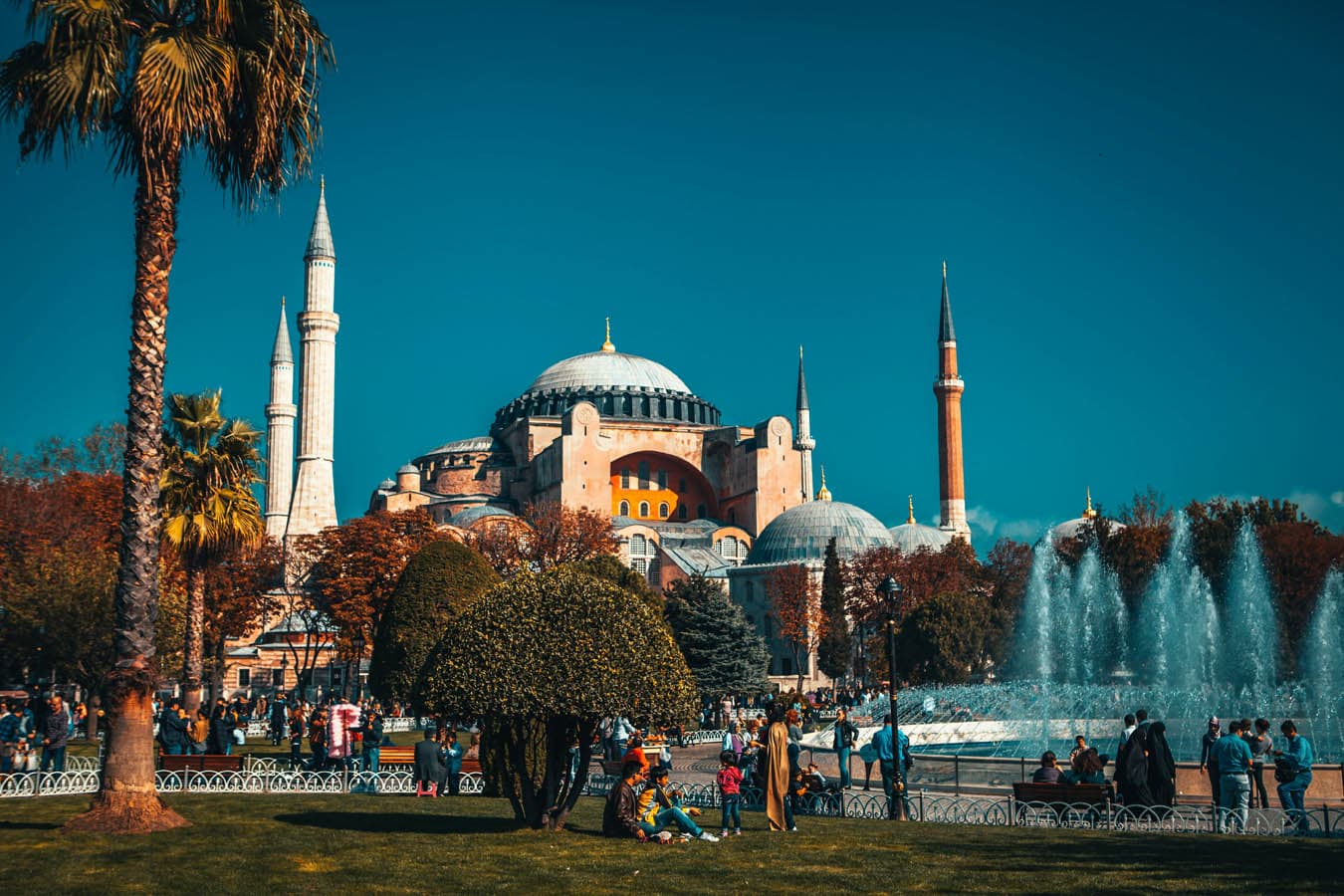
First-time visitors photographing the Blue Mosque from Sultanahmet Square with the Bosphorus visible in the distance
First-time visitors photographing the Blue Mosque from Sultanahmet Square with the Bosphorus visible in the distance — GoldenSunsetTour

Key Takeaways

  • Buy an Istanbulkart the moment you land — one card covers metro, tram, bus, ferry and funicular, and a single ride is far cheaper than paying per token
  • Know which airport you are flying into: IST is on the European side, Sabiha Gokcen (SAW) is on the Asian side, and they are roughly two hours apart
  • Most of the headline sights sit inside Sultanahmet within a short walk of each other, so base your first day there and let the tram do the rest
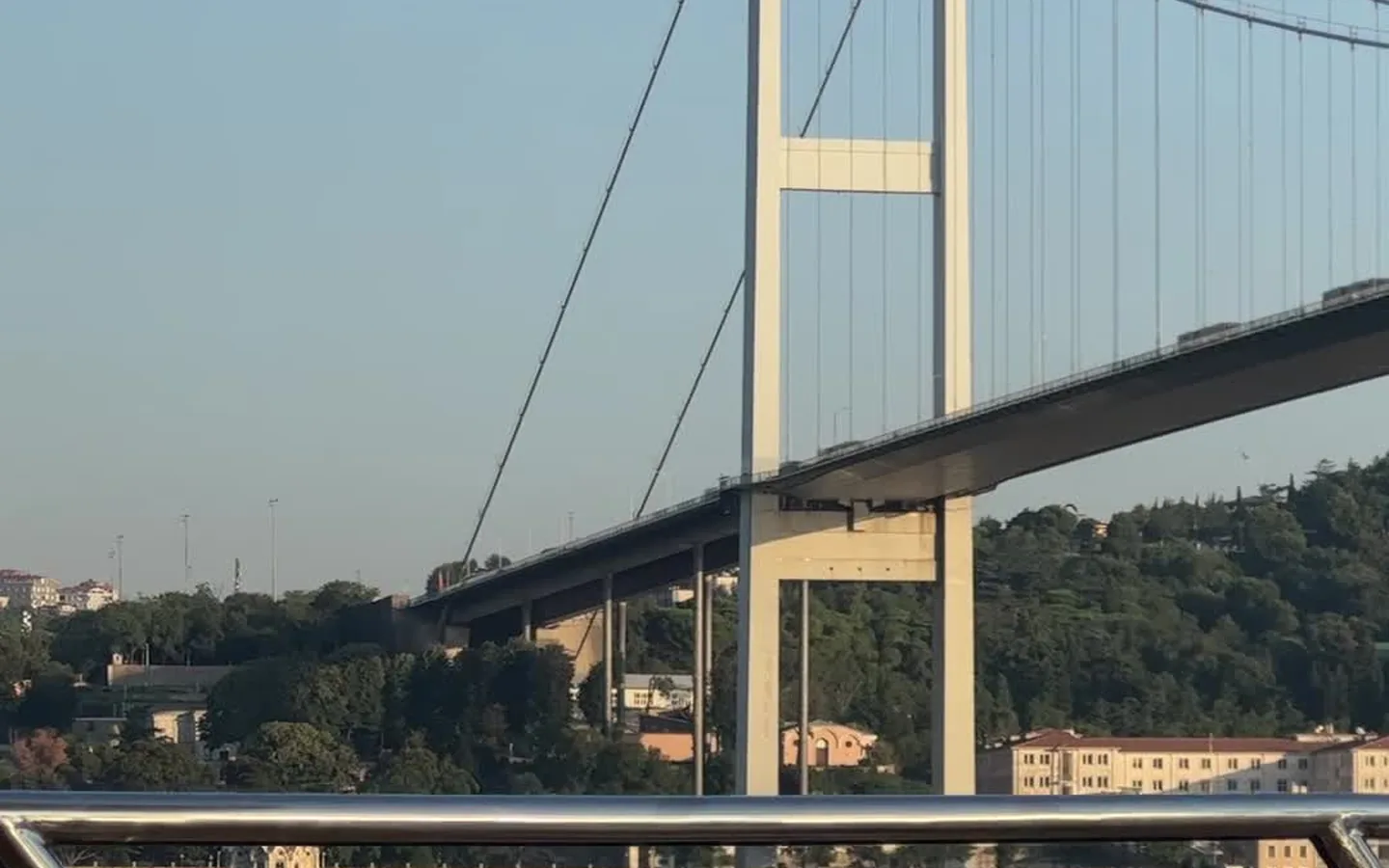
  • A Bosphorus cruise early in the trip gives you a mental map of the city — which side is Asia, which is Europe, and where everything sits along the water

Getting to Istanbul and Airport Transfers

Istanbul has two airports: IST on the European side and Sabiha Gokcen (SAW) on the Asian side. From IST, the M11 metro or a Havaist bus reaches the center.

Check your ticket for the airport code before you book anything else. Istanbul Airport (IST) sits on the European side and handles most long-haul flights. Sabiha Gokcen (SAW) is across on the Asian side and skews toward low-cost and regional carriers. The two are on opposite ends of a very large city, so a SAW arrival with a Sultanahmet hotel means a long ride — plan for it.

From IST, the cheapest routes are the Havaist airport buses, which run to Taksim and other hubs, and the M11 metro, which links the airport to the city rail network. Both take an Istanbulkart, so buy that card at the airport first. A taxi to the historic center will run noticeably more and, in traffic, is not always faster.

From SAW, the Havabus coaches head to Kadikoy and Taksim. Whichever airport you land at, use the official taxi rank or a pre-booked transfer rather than anyone who approaches you in the arrivals hall. For a late-night arrival, a fixed-price transfer arranged in advance is often worth the small premium just to skip the negotiation.
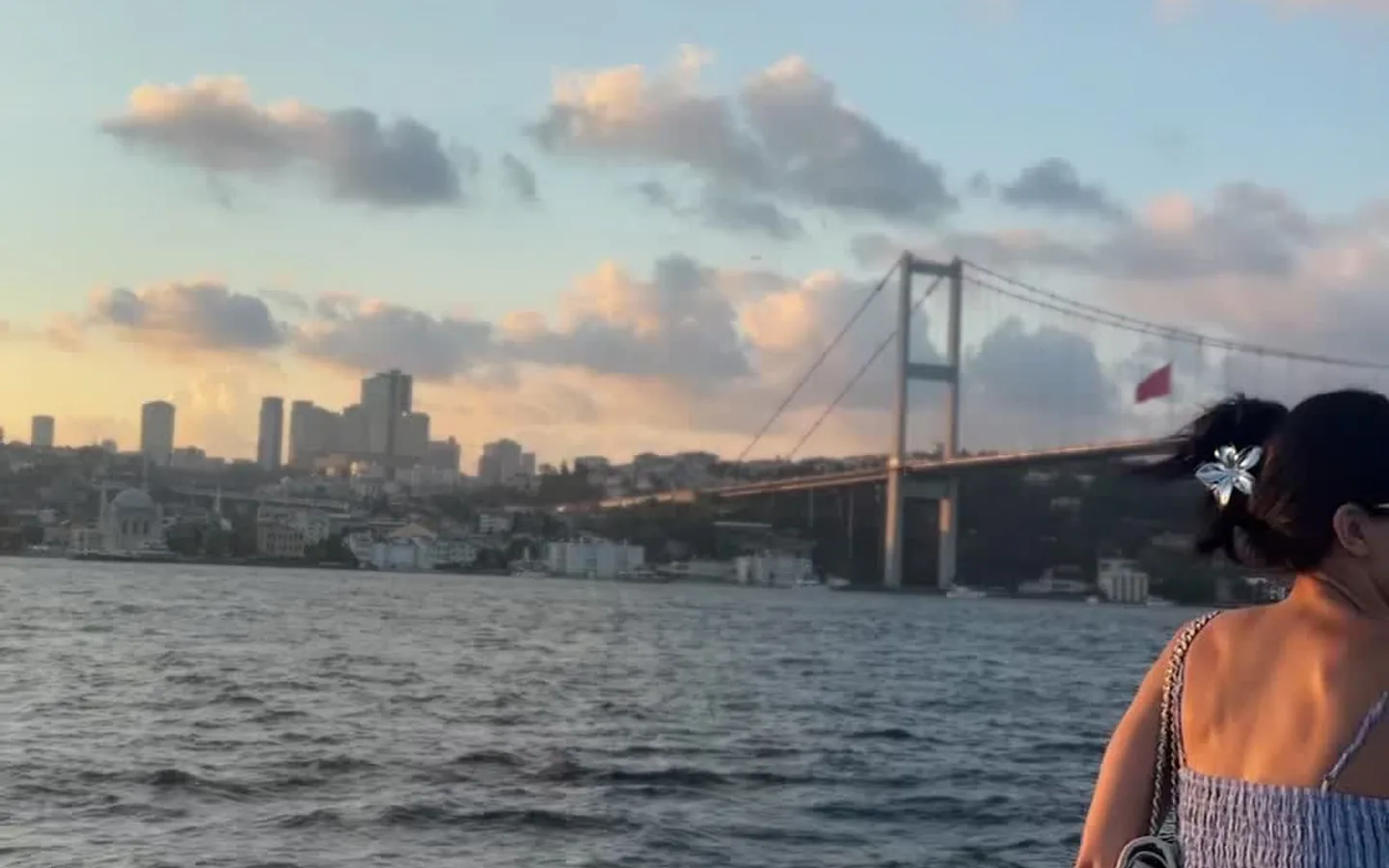
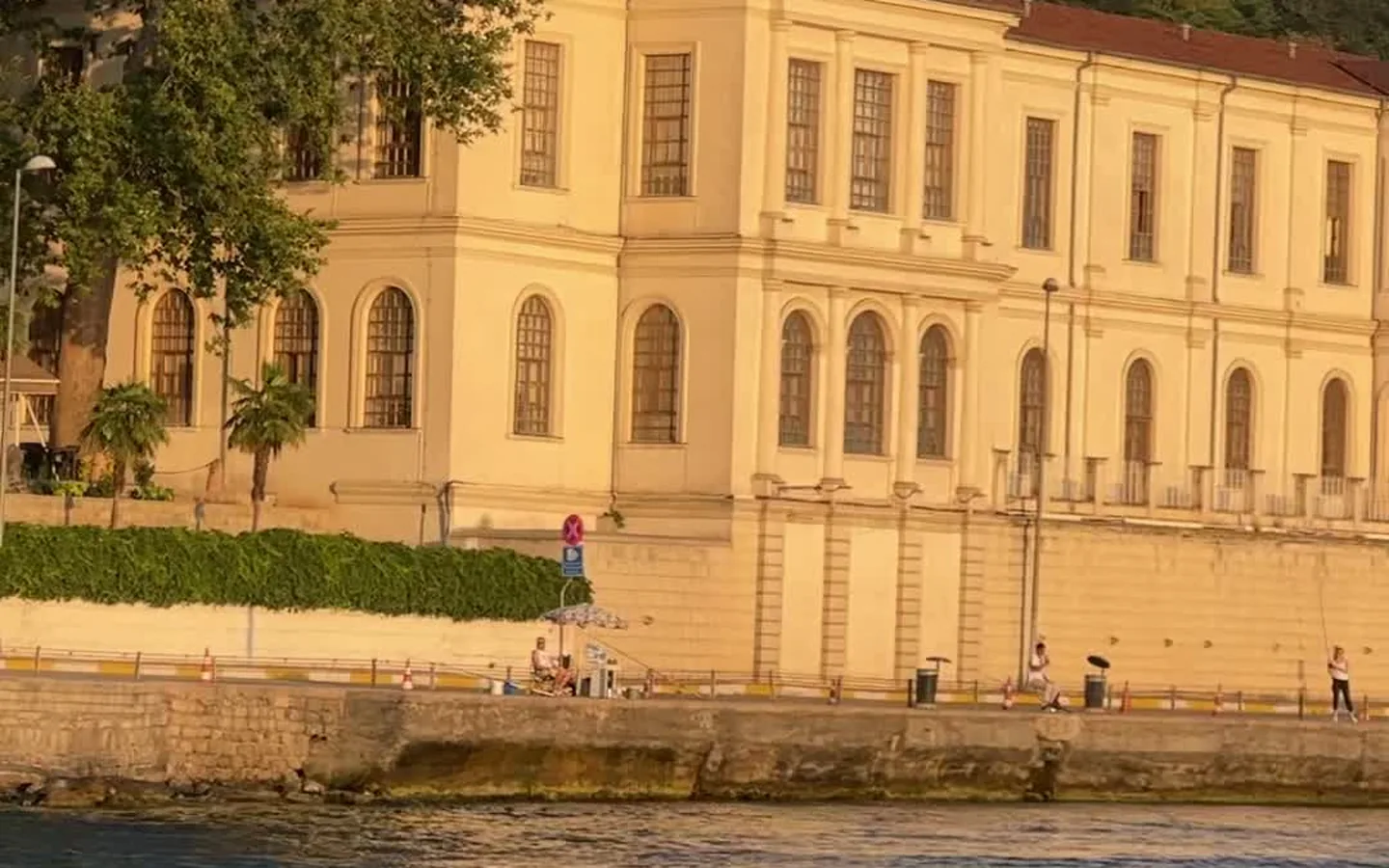
Getting Around Istanbul — Transport Guide

The Istanbulkart covers all public transport. The T1 tram links the main sights, and ferries or the Marmaray tunnel connect the two sides of the city.

Public transport here is genuinely good, and the Istanbulkart is the key to all of it. Buy one from a yellow machine at any metro or tram station, load some credit, and tap it for the metro, tram, bus, ferry and funicular alike. Tapped fares are cheaper than single tickets, and one card can be shared between two people on the same trip.

For sightseeing, the T1 tram is the line you will use most: it threads through Sultanahmet, Eminonu, Karakoy and on to Kabatas, stringing the old-city sights together. The M2 metro runs up through Taksim and Sisli. To cross to the Asian side you have two choices, and they serve different moods — the Marmaray rail tunnel does it in a few minutes underground, while the Eminonu-Kadikoy ferry takes around 20 minutes above water and is one of the best-value views in the city.

Taxis are everywhere but insist on the meter (taksimetre) rather than a quoted flat fare, or use BiTaksi or Uber so the price is set in the app. Beyond that, walk. Istanbul is hilly and the map lies about distances, but the stretches between landmarks are where a lot of the city actually happens.

Istanbul Travel Guide — Money, Tipping, and Prices

Turkey uses the lira. Cards work almost everywhere, but carry some cash for taxis and markets. Change money at a doviz buro in town, never at the airport.

The currency is the Turkish lira. Cards are accepted in most restaurants, shops and hotels, but keep some cash for taxis, market stalls and small cafes. If you need to change money, use a doviz buro (exchange office) in Sultanahmet or Taksim — airport counters give markedly worse rates. Withdraw from ATMs attached to actual bank branches rather than the freestanding machines in tourist lanes, which often push high conversion fees.

Tipping is modest and not aggressive. In restaurants, around 10 percent is normal if a service charge is not already on the bill; for taxis, round up; hotel porters and hamam attendants get a small note. Haggling belongs in the bazaars and with street vendors, not in fixed-price shops or restaurants.

Prices shift with the lira, so treat any figure as a rough guide rather than a fixed rate. As a rough sense of scale, a sit-down meal at a local lokanta sits well below what the same would cost in Western Europe, a glass of cay is pocket change, and museum tickets for the headline sites are now the bigger line item in a day's budget.

Ready to book?

Plan Your Bosphorus Cruise

Compare shared sunset, dinner cruises, and private yacht charters in one place — pick what fits your group.

From: From €30Pier: Karaköy / Kabataş / Kuruçeşme

TÜRSAB A-Group licensed (#14316) · Direct booking, no middlemen.

Istanbul Travel Guide — Language and Culture

Turkish is the official language, and while English is common in hotels and tourist areas, a few words of Turkish change how people respond to you. Merhaba (hello), tesekkur ederim (thank you), lutfen (please), evet and hayir (yes and no), and ne kadar? (how much?) will carry you a long way.

Istanbul is a Muslim-majority city and also a large, cosmopolitan one. At mosques, dress modestly: women cover their heads and shoulders, everyone removes their shoes, and the major mosques lend scarves and bags at the door. Mosques also close to visitors during the five daily prayer times and for longer around midday prayers on Friday, so it is worth timing a visit for mid-morning or mid-afternoon.

Hospitality is real and usually comes with no strings — a shopkeeper offering tea is not the same as a sales pitch, and you can accept or decline without offense. A little patience and a smile go further here than they do in many places.

Istanbul Travel Guide — SIM Cards, Safety, and Seasons

Get a tourist SIM or eSIM for data, watch for pickpockets in crowds, and target April to June or September to October for the best weather and fewer people.

For data, you can buy a tourist SIM from Turkcell, Vodafone or Turk Telekom at the airport, or set up an eSIM before you fly. Local SIMs are pricier than you might expect because of registration rules, and a phone used on a foreign SIM for more than a few months can get blocked — not a concern for a short trip, but worth knowing.

Istanbul is broadly safe, and the main risks are petty rather than dangerous. Keep an eye on your pockets and bag in dense spots like the Grand Bazaar, Eminonu and Istiklal. Be wary of the friendly stranger who strikes up a chat and then steers you toward a particular bar — that scenario, where the bill arrives wildly inflated, is the classic Istanbul tourist trap. The shoe-shiner who drops a brush in front of you is a smaller version of the same script; just decline and walk on.

On timing, April to June and September to October give you the best balance of mild weather and tolerable crowds. July and August are hot and busy. November to March is cool and quieter, with lower prices and the occasional grey, rainy stretch — but a winter Istanbul under low cloud has its own appeal.

TURSAB Licensed Since 2001

Explore Bosphorus Cruise Options

Which Neighborhood to Base Yourself In

Where you sleep shapes the whole trip, because this city is too big to be casual about distance. For a first visit built around the historic sights, Sultanahmet is the obvious base — Hagia Sophia, the Blue Mosque, Topkapi Palace and the Grand Bazaar are all walkable, and the T1 tram runs through it. The trade-off is that it empties out at night and leans heavily touristy.

Karakoy and Galata sit just across the Golden Horn and mix Ottoman streets with strong coffee, good restaurants and quick tram access to the old city. Beyoglu and Taksim put you in the middle of the modern, late-night side of Istanbul along Istiklal Caddesi. Besiktas is more of a local, lived-in neighborhood with excellent transport links. Over on the Asian side, Kadikoy offers the best value and a terrific food scene, with frequent ferries back across the water.

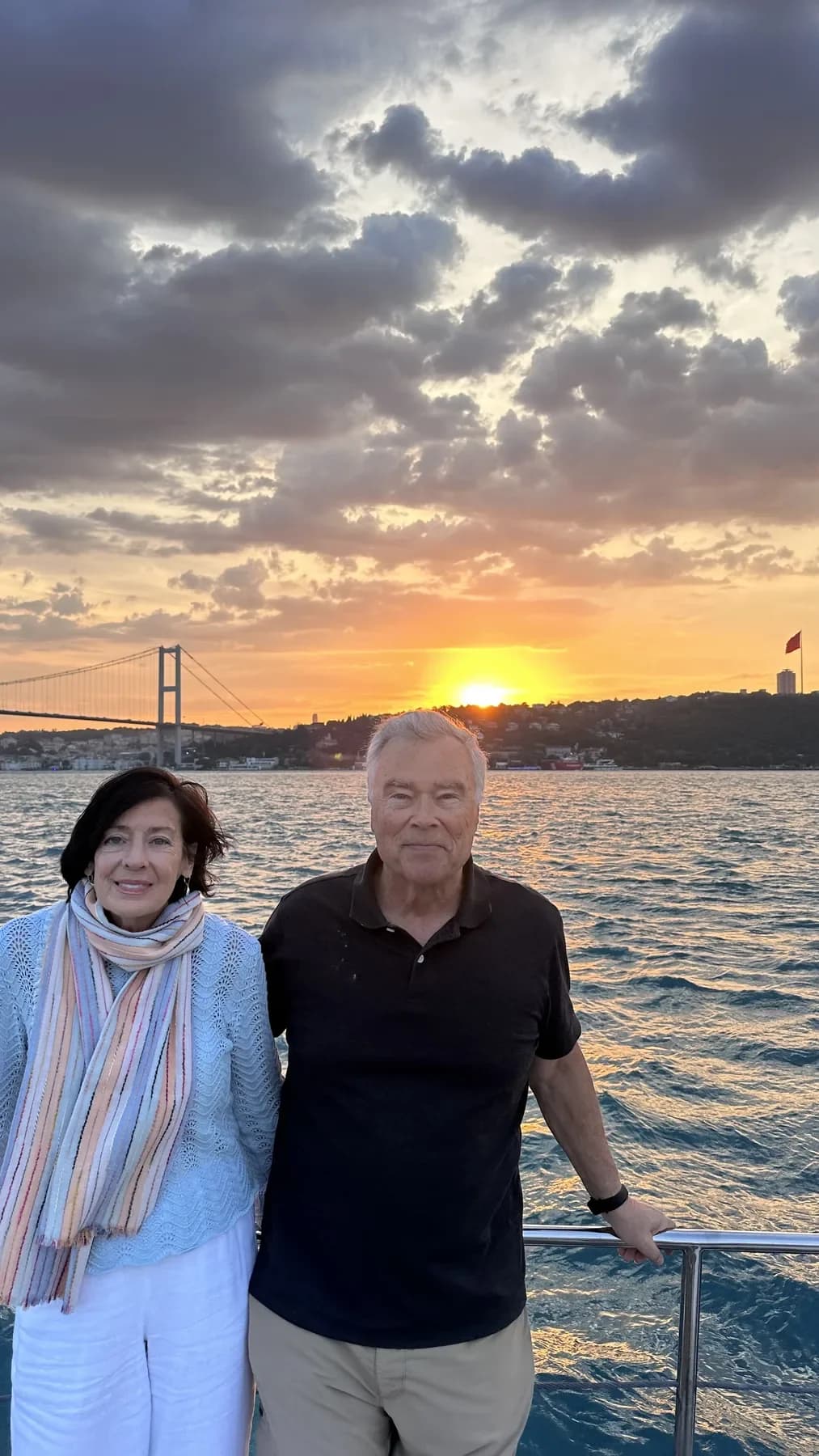
For a Bosphorus cruise, note that our sunset cruise boards at Karakoy (by the Mimar Sinan statue) and the dinner cruise at the Kabatas pier — both on the T1 tram line — so a base anywhere along that tram keeps the start of the cruise simple.

A Suggested 3-Day Istanbul Itinerary

Three days is the practical minimum to see Istanbul without sprinting. Day one is the historic peninsula: start at Hagia Sophia near opening to beat the lines, cross Sultanahmet Square to the Blue Mosque, walk the old Hippodrome, then spend the afternoon at Topkapi Palace before winding down through the Spice Bazaar to the waterfront at Eminonu. Cap the day with a Bosphorus sunset cruise, which is the cleanest way to see how the city fits together along the water.

Day two leans modern: open the Grand Bazaar as the shutters go up, head up to Galata for the tower view and lunch, then walk down and across the Galata Bridge to Karakoy. Spend the afternoon between Istanbul Modern and the cafes along the shore, and have dinner somewhere on the European waterfront.

Day three crosses to the Asian side: take the ferry from Eminonu to Kadikoy, work through the produce market and out to the Moda seafront, then come back across for the late-afternoon and a Turkish bath at a historic hamam such as Kilic Ali Pasa. Finish at a meyhane over meze and raki. If you can add a fourth day, spend it on the Princes' Islands or going deeper into Balat and Fener.

Small Things First-Timers Wish They Had Known

A handful of details trip up almost everyone on a first visit, and none of them are hard to plan around. Mosque timings catch people out most — the major mosques close to visitors during prayers, so build a sight like the Blue Mosque around mid-morning or mid-afternoon rather than turning up at noon and finding the doors shut. Carry a light scarf if you are mosque-hopping, even though the big ones lend them.

The Istanbul Museum Pass is worth doing the math on. It bundles several of the major sites and lets you skip ticket queues, which matters more in peak season than the saving itself; if you are only seeing one or two museums, individual tickets are cheaper. Either way, book the busiest sites for early in the day.

Finally, give yourself slack on transit. Crossing between the two sides, or out to an airport, eats far more time than the map suggests, especially in afternoon traffic. When in doubt, take the tram, metro or ferry over a taxi — it is cheaper, more predictable, and on the ferry, a far better view.

Next steps — pick your cruise

Three booking options. Same operator, same TÜRSAB licence. Pick the format that matches your group.

TÜRSAB A-Group licensed (#14316) · Direct booking, no middlemen.

Frequently Asked Questions

Do I need a visa for Istanbul?

Many nationalities can apply for an e-Visa online at evisa.gov.tr before arrival, and some qualify for visa-free entry. Check the rules for your specific passport before you travel.

How do I get from the airport to the city center?

From IST, take the M11 metro or a Havaist bus and pay with an Istanbulkart; a taxi costs more and can be slow in traffic. From Sabiha Gokcen, the Havabus runs to Kadikoy and Taksim.

Is Istanbul expensive?

It is good value next to Western European cities. Budget travelers can manage on a modest daily spend, while museum tickets for the headline sights are now one of the larger costs in a day.

Is tap water safe to drink in Istanbul?

Tap water is treated but most locals and visitors stick to bottled water, which is cheap and sold everywhere. Use it for drinking and you will be fine for a short trip.

What is the best neighborhood to stay in as a first-time visitor?

Sultanahmet puts the historic sights within walking distance and on the T1 tram. Beyoglu and Taksim trade that for better restaurants and nightlife, and Kadikoy offers value on the Asian side.

Resat Akkus
Resat AkkusWhy trust this guide

Operations Director

Operations Director at GoldenSunsetTour, responsible for the daily cruise schedule, captain assignments, hotel pickup logistics and guest support. Works under the TÜRSAB A-Group license held by Meryem Yıldız, the parent licensee of GoldenSunsetTour, MerrySails and MerryTourism. Based in Fatih, Istanbul.

Meet our Bosphorus crew →

Service routing

Move to the cleanest service page

Use the article to narrow the decision, then move straight to the service page that matches the trip.

GE
GoldenSunsetTour Editorial Team

Local Istanbul Travel Experts

Written by local Istanbul maritime experts. Our editorial team works alongside the captains and booking desk to keep every guide grounded in what GoldenSunsetTour actually operates on the water.

Written by

Resat Akkus
Resat Akkus

Founder & Operations Director

TURSAB A-Group licensed operator since 2001. Resat founded GoldenSunsetTour to give direct-booking guests a transparent, no-markup Bosphorus cruise option — every guest books on the website at the price the boat actually runs at, with no aggregator layer in between.

  • Tour operations
  • Turkish tourism licensing
  • Bosphorus cruise pricing
  • Travel agency management
More about Resat

Explore Cruise Options in Istanbul

Browse current shared and private cruise options, then contact the team if you want help choosing the right plan.

Call