10% OFF·Summer Direct-Booking Offer — code SUMMER10·ends 2026-06-30
Istanbul9 min readLast reviewed: June 6, 2026

Grand Bazaar Istanbul Shopping Guide — What

The Grand Bazaar is dazzling and, for many first-timers, exhausting. This guide skips the romance and tells you what to buy, what to skip, how far to push a price, and how to tell a real hand-knotted rug from a machine job.

GE

GoldenSunsetTour Editorial Team

Bosphorus cruise operations since 2001

Book this cruise

Plan Your Bosphorus Cruise

From €30 · Book direct — no OTA markup, instant confirmation.

Compare shared sunset, dinner cruises, and private yacht charters in one place — pick what fits your group.

Pier: Karaköy / Kabataş / Kuruçeşme

TÜRSAB #14316 · since 2001 · 4.78★

Colorful spice stalls and carpet shops inside the domed halls of Istanbul's Grand Bazaar
Colorful spice stalls and carpet shops inside the domed halls of Istanbul's Grand Bazaar — GoldenSunsetTour

Key Takeaways

  • Go in with a list. The bazaar is a maze of covered streets and thousands of shops, and aimless wandering eats hours fast.
  • Worth the money: hand-knotted carpets and kilims, hand-painted ceramics, real leather, gold sold by weight, copperware. Skip the mass-printed tiles and plastic lamps.
  • Bargain on everything but food. Opening prices are inflated; a counter around half the ask is normal, and walking away is your strongest move.
  • Closed Sundays. Go right at opening (around 9:00) or late afternoon for fewer crowds and keener sellers.
  • For spices, Turkish delight and tea, the Spice Bazaar in Eminönü is smaller, faster and better stocked than the Grand Bazaar.

What the Grand Bazaar Actually Is

The Grand Bazaar (Kapalıçarşı, the "covered market") sits in the old city between Beyazıt and Nuruosmaniye, and it has been trading since the Ottomans took the city in 1453. It is genuinely one of the oldest covered markets still in business, with dozens of lanes under painted vaults and a few thousand shops packed inside.

You do not need to memorise the floor plan, but a rough sense of it saves a lot of circling. Jewellers and gold cluster along the main spine; carpet and kilim dealers sit deeper in; leather, ceramics and souvenir stalls spread out toward the edges. The oldest, most solid part is the Cevahir Bedesten (the Inner Bedesten), the locked-up core where antiques, old silver, watches and serious jewellery tend to be sold.

There are around twenty gates. Three you will hear named most often: the Beyazıt Gate (closest to the tram and the university), the Nuruosmaniye Gate (the grand one, beside the mosque of the same name), and the Çarşıkapı / Beyazıt side toward Sultanahmet. Pick one as your landmark and you will reorient faster every time you surface.

When to Go (and the Sunday Trap)

Opening hours run roughly Monday to Saturday, about 9:00 to 19:00. The bazaar is closed on Sundays and on religious public holidays, which catches a lot of visitors out, so do not plan your only free afternoon around a Sunday. Sellers also start shutting up earlier than the official close, so do not arrive at 18:30 expecting a full house.

Two windows are best. Right at opening, before the tour groups, the lanes are quiet and you can actually look at things. Late afternoon is the other sweet spot: traffic thins and some sellers would rather make one more sale than carry stock home, which gives you a touch more room on price.

Midday in high season is the worst of both worlds, packed and hot under the glass roofs. Wear shoes you can walk on stone in for a couple of hours, and bring some cash in lira.

What Is Worth Buying

Carpets and kilims are the bazaar's signature, and the real thing is worth it. Hand-knotted wool or silk rugs from Anatolian weaving regions vary enormously by size, material, knot density and age, so a small kilim and a fine silk piece are not in the same universe of price. A reputable dealer will happily talk you through origin, fibre, knot count and whether the dyes are natural or synthetic; vagueness on those points is a warning sign.

Hand-painted ceramics are the easy win for most people: plates, bowls and tiles in the İznik/Kütahya tradition with tulip, carnation and geometric motifs. Hand-painted pieces carry tiny irregularities in the brushwork and have real heft; flat, perfectly uniform prints are the cheap factory version. Leather (jackets, bags, wallets) can be very good value, and copperware and old-style coffee pots are solid, packable buys. Gold is sold by weight against the day's rate plus a making charge, so it is competitive if you know roughly what gold is doing.

What to skip: mass-printed "tiles", glued-glass lamps that will not survive a suitcase, and generic fridge-magnet tat you can find anywhere. And buy your spices, lokum, tea and saffron at the Spice Bazaar instead, where it is fresher and cheaper.

Ready to book?

Plan Your Bosphorus Cruise

Compare shared sunset, dinner cruises, and private yacht charters in one place — pick what fits your group.

From: From €30Pier: Karaköy / Kabataş / Kuruçeşme

TÜRSAB A-Group licensed (#14316) · Direct booking, no middlemen.

How to Bargain Without the Theatre

Haggling here is normal and expected on almost everything except food, so do not feel rude doing it. The first number is a starting position, not a price. A reasonable approach: ask, then counter somewhere around half, and settle in the middle. On bigger items like carpets and leather there is real room to move; on small things under a hundred lira the margin is thin, so do not grind a seller over pocket change.

The single most effective tactic is being genuinely willing to walk. If you have made a fair offer and they let you leave, the price was real; if they call you back, it was not. Prices and a quick comparison across two or three shops selling similar goods will calibrate you fast.

The tea is hospitality, not a contract. Accepting a glass does not commit you to buying, and a relaxed, friendly back-and-forth gets you a better price than playing hardball. Cash, especially lira, usually beats card, since card fees come straight off the seller's margin.

TURSAB Licensed Since 2001

Explore Bosphorus Cruise Options

Spotting Fakes and Sidestepping the Hustle

The bazaar is generally safe; the risk is overpaying or buying something that is not what it is sold as. For carpets, flip them over. Hand-knotted rugs have small, honest irregularities on the back and the pattern reads through; a flawlessly even, rubber-backed weave is machine-made. Ask for paperwork on anything expensive, and be wary of high-pressure "this is wool and silk" claims with no detail behind them.

For leather, trust your nose and your fingers: real hide smells like leather, has a natural grain that varies, and creases softly; cheap synthetic smells chemical and feels plasticky and uniform. For gold, look for the stamp, 585 for 14K and 916 for 22K, and weigh it against the day's rate plus a fair making charge.

The other thing to know is the touts outside. Anyone who falls into step with you on the street offering to "help" or walk you to a "family shop" is usually earning commission that gets baked into your price. Inside, browse on your own terms and stick to established stalls. Keep your wallet in a front pocket or a zipped crossbody in the crowds.

Nearby: the Spice Bazaar and Eminönü

If the Grand Bazaar feels overwhelming, the Spice Bazaar (Mısır Çarşısı, the "Egyptian Market") down in Eminönü is the gentler cousin. It is far smaller, laid out in a single L-shape, and built around edible souvenirs: spice blends, dried fruit and nuts, saffron, teas and rows of Turkish delight you can taste before you commit. It is the better place for anything you plan to eat or give as a food gift.

The walk between the two is a downhill stroll of roughly fifteen minutes, threading through the working shops of the Tahtakale district, which is where locals buy hardware, packaging and bulk goods. It comes out at Eminönü, on the Golden Horn, with the New Mosque, the ferry docks and the fish-sandwich boats.

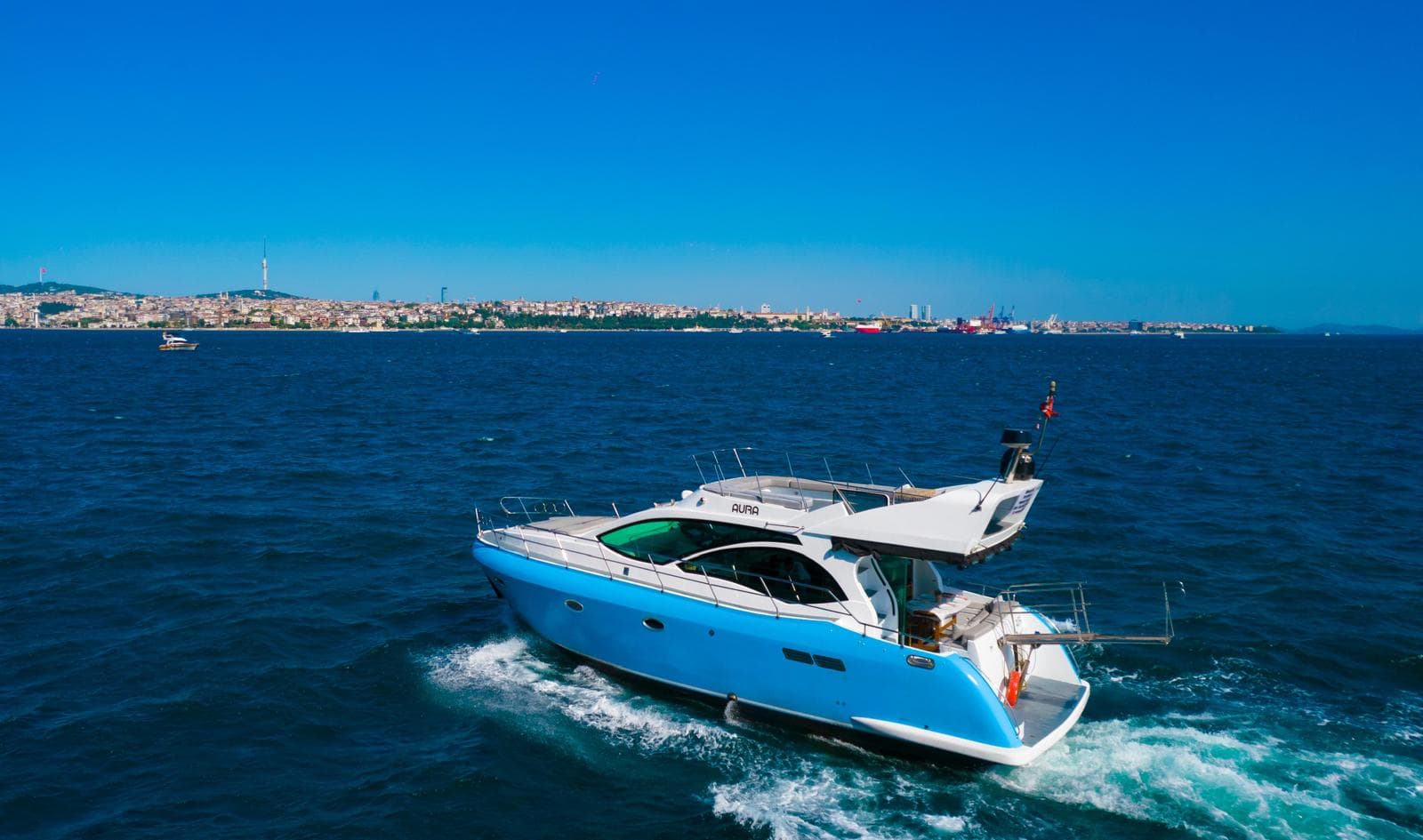
Eminönü is also where the water starts. GoldenSunsetTour is a TÜRSAB-licensed operator (licence #14316, running since 2001): our sunset cruise boards at Karaköy (by the Mimar Sinan statue) and the dinner cruise at the Kabataş pier, both a short tram ride along the shore from Eminönü on the T1 line. It is an easy way to round off a morning of shopping: see the Bosphorus from the water after a few hours on foot. The Istanbul dinner cruise serves dinner on board, so a late-afternoon finish in the bazaar can roll straight into an evening on the strait.

Next steps — pick your cruise

Three booking options. Same operator, same TÜRSAB licence. Pick the format that matches your group.

TÜRSAB A-Group licensed (#14316) · Direct booking, no middlemen.

Frequently Asked Questions

Is the Grand Bazaar worth visiting if I am not buying anything?

Yes. The architecture, the painted vaults and the sheer scale make it worth an hour even as a sightseer. The [Ministry of Culture and Tourism](https://www.kultur.gov.tr) lists it among Istanbul's headline historic sites. Go early or late to enjoy it without the midday crush.

What are the Grand Bazaar opening hours?

Roughly Monday to Saturday, 09:00 to 19:00. It is closed on Sundays and on religious public holidays, so do not plan a Sunday visit. Arrive before 10:00 for the quietest experience; sellers start closing stalls before the official 19:00 end.

How hard should I bargain, and where is there room?

Bargain on everything except food. Opening prices are inflated, so counter around half and meet in the middle. Big-ticket items (carpets, leather) have the most room; small items under about ₺100 have thin margins, so do not push hard there.

How do I tell a real hand-knotted carpet from a machine-made one?

Turn it over. Hand-knotted rugs show small irregularities on the back and the pattern reads through; machine-made ones are perfectly uniform and often rubber-backed. Ask about origin, fibre, knot density and natural-versus-synthetic dyes, and get paperwork for anything pricey.

Should I shop the Grand Bazaar or the Spice Bazaar?

Both, for different things. The Grand Bazaar is for carpets, ceramics, leather, gold and copperware. The Spice Bazaar in Eminönü is smaller and easier, and it is the better place for spices, saffron, teas and Turkish delight.

How do I get from the bazaars to a Bosphorus cruise?

From Eminönü, take the T1 tram along the shore: the sunset cruise boards at Karaköy (by the Mimar Sinan statue), the dinner cruise a stop further at the Kabataş pier. GoldenSunsetTour is TÜRSAB-licensed (#14316, operating since 2001); the Istanbul dinner cruise serves dinner on board.

Resat Akkus
Resat AkkusWhy trust this guide

Operations Director

Operations Director at GoldenSunsetTour, responsible for the daily cruise schedule, captain assignments, hotel pickup logistics and guest support. Works under the TÜRSAB A-Group license held by Meryem Yıldız, the parent licensee of GoldenSunsetTour, MerrySails and MerryTourism. Based in Fatih, Istanbul.

Meet our Bosphorus crew →

Service routing

Move to the cleanest service page

Use the article to narrow the decision, then move straight to the service page that matches the trip.

GE
GoldenSunsetTour Editorial Team

Local Istanbul Travel Experts

Written by local Istanbul maritime experts. Our editorial team works alongside the captains and booking desk to keep every guide grounded in what GoldenSunsetTour actually operates on the water.

Written by

Resat Akkus
Resat Akkus

Founder & Operations Director

TURSAB A-Group licensed operator since 2001. Resat founded GoldenSunsetTour to give direct-booking guests a transparent, no-markup Bosphorus cruise option — every guest books on the website at the price the boat actually runs at, with no aggregator layer in between.

  • Tour operations
  • Turkish tourism licensing
  • Bosphorus cruise pricing
  • Travel agency management
More about Resat

Explore Cruise Options in Istanbul

Browse current shared and private cruise options, then contact the team if you want help choosing the right plan.

Call