10% OFF·Summer Direct-Booking Offer — code SUMMER10·ends 2026-06-30
Cruise Guide14 min readLast reviewed: March 24, 2026

Best Time for a Bosphorus Cruise — Morning

Not sure whether to book a morning, sunset, or night cruise on the Bosphorus? This guide compares each time slot with monthly weather patterns, photography conditions, and crowd levels to help you pick the right option.

CY

Captain Yusuf Kaya

Turkish Maritime Authority master license, 25+ years Bosphorus experience

Book this cruise

Plan Your Bosphorus Cruise

From €30 · Book direct — no OTA markup, instant confirmation.

Compare shared sunset, dinner cruises, and private yacht charters in one place — pick what fits your group.

Pier: Karaköy / Kabataş / Kuruçeşme

TÜRSAB #14316 · since 2001 · 4.78★

Bosphorus strait at golden hour with silhouetted mosque minarets and a cruise boat passing beneath the illuminated suspension bridge
Bosphorus strait at golden hour with silhouetted mosque minarets and a cruise boat passing beneath the illuminated suspension bridge — GoldenSunsetTour

Key Takeaways

  • Sunset cruises (departing 2-3 hours before sunset) consistently deliver the most spectacular Bosphorus experience — golden light on Ottoman palaces is unmatched
  • September and May are the single best months overall: warm weather (20-25 degrees Celsius), dramatic skies, and 30-40% fewer tourists than July-August peak
  • Morning cruises (9-11 AM) offer the calmest water, clearest visibility, and fewest crowds — ideal for photography and families with young children
  • Winter cruises (November-March) are 15-25% cheaper with identical quality — dinner cruises are indoors and fully heated regardless of season
  • Golden hour shifts by nearly 4 hours across the year: 16:30 in December to 20:30 in June — always check sunset time before booking

Morning, Sunset, or Night — Which Bosphorus Cruise Time Is Best

On the Bosphorus the clock matters almost as much as the boat. The same stretch of water gives you three completely different days depending on when you push off — and once you see why, choosing becomes easy.

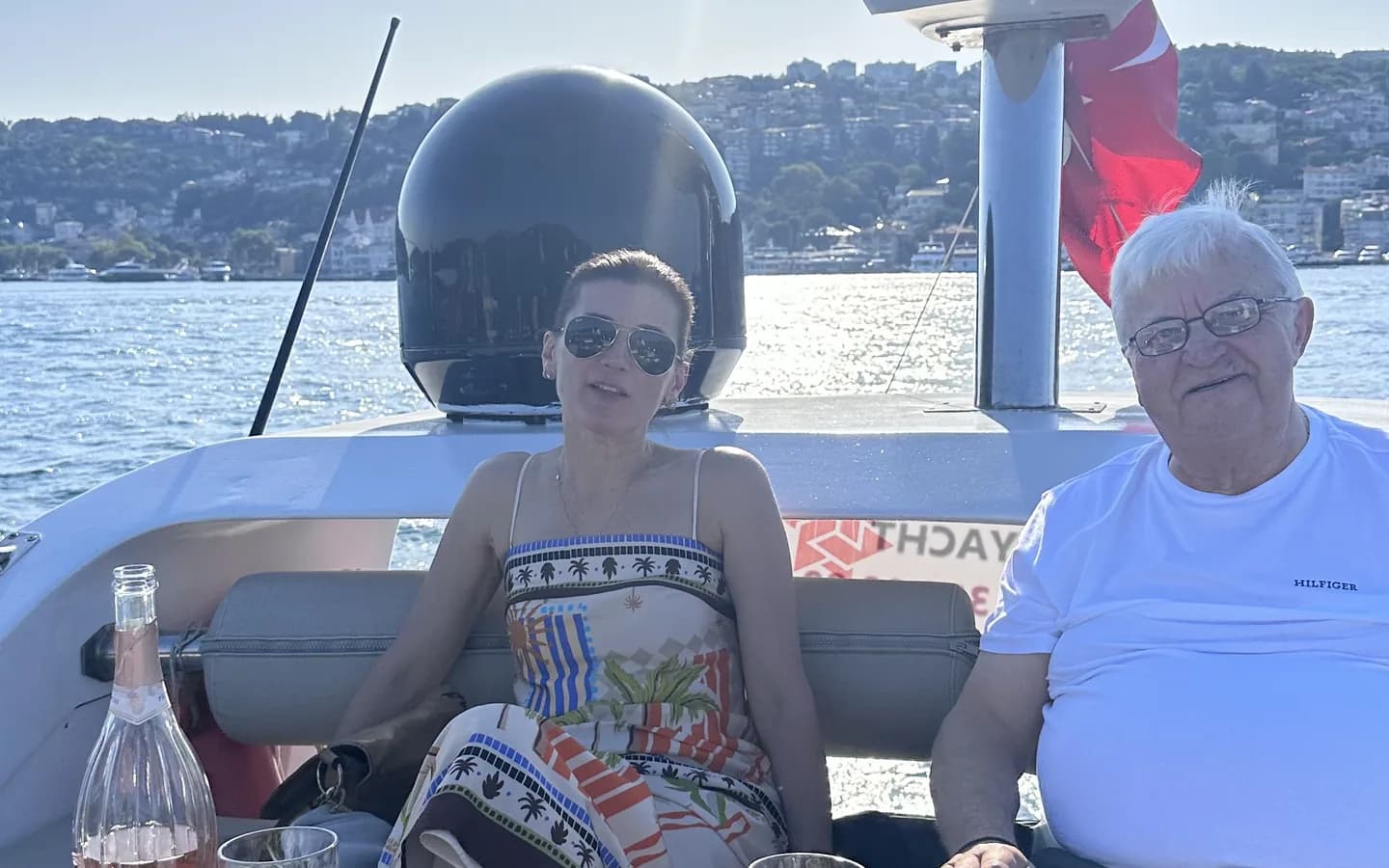
Morning (around 9–11 AM) is the strait at its calmest and clearest. The wind has not yet got up, so the water lies flat; the air is sharp, so the far shore is crisp; and the piers are still quiet. The light is the giveaway — even and shadowless, it picks out the carved detail on a palace front far more kindly than the harsh overhead sun of noon. That makes morning the quiet favourite for two groups in particular: families with small children, who are at their freshest early and most comfortable before the heat, and anyone who wants the rest of the day free.

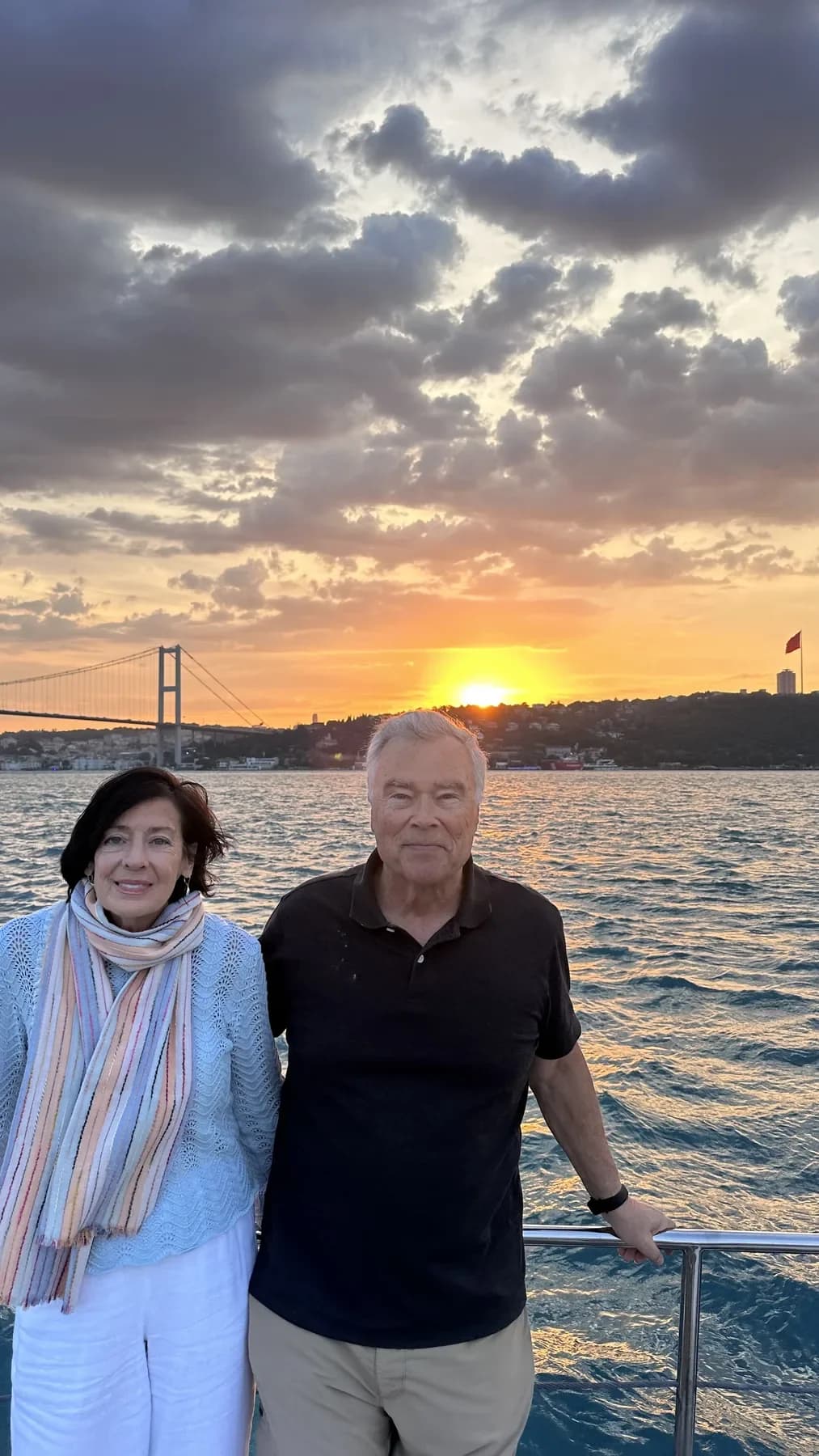
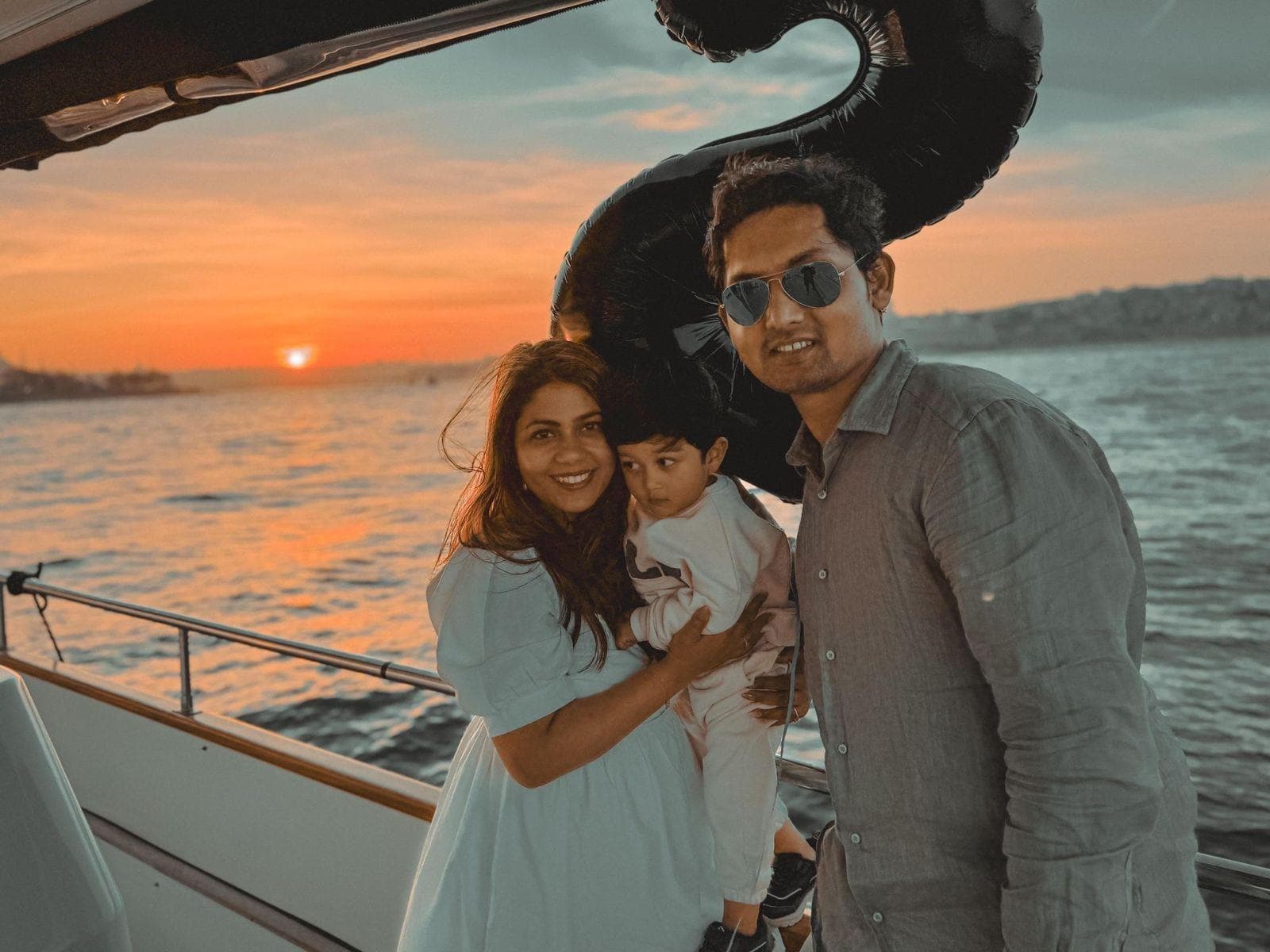
Sunset (departing two to three hours before the sun goes down) is the headline act, and deservedly so. When the low sun lights the Süleymaniye minarets, gilds the Dolmabahçe facade, and turns the water to beaten copper, you understand why photographers rank this among the world’s great sunset spots — and with Istanbul averaging well over a hundred clear or part-clouded evenings a year, the odds of a good sky are firmly in your favour. There is an arc to it, too: bright afternoon energy mellowing into reflective twilight, which is a feeling no other slot gives.

Night (the dinner cruises that leave after dark) is a different city again — bridges cycling colour, palace fronts in warm amber, mosque domes floating against black sky, plus dinner and a stage show on top. It is the most complete single outing of the three. So which is best? Honestly, it comes down to what you are chasing — calm and clarity, drama and light, or a full night out.
Time SlotBest ForLight QualityCrowd LevelTemperaturePrice From
Morning (9-11 AM)Photography, families, clear viewsEven, sharp detailLowComfortableQuote-led / service pages
Midday (12-3 PM)Landmark spotting, daytime briefsBright, high contrastMediumWarmestQuote-led / service pages
Sunset (before sunset)Romance, photography, atmosphereGolden, dramaticHighCooling€34 / €40
Night (after dark)Dining, entertainment, illuminationArtificial, spectacularMedium-HighCool€30+

Monthly Weather Guide for Bosphorus Cruises

Istanbul sits where Black Sea and Mediterranean weather meet, and the strait acts as a corridor between the two — which is why a Bosphorus month can feel so different from the next. Here is the year as I have come to read it after enough seasons on the water.

The deep winter, January and February, is the coldest (5–8°C) and wettest (90–100mm a month), and the northeasterly poyraz can chop up the exposed reaches, though the waves seldom top a metre. Yet these are the months I quietly love — misty dawns, towering clouds, the rare dusting of snow on the Asian hills, the kind of scene regulars come back for. March tips into spring: 10–14°C, the rain easing, the waterfront waking with early blossom, and the crowds still thin.

April is the tulip month — millions of them across the parks, the famous Emirgan Grove on the European bank visible from the deck, and the Judas trees along the hills flaring pink-purple at 14–18°C. May, for my money, is the single finest month for a Bosphorus cruise: warm at 18–23°C, fairly dry, long-dayed with sunset near 20:00, only moderately busy, and the landscape at its spring peak.

June to August is high summer — 25–35°C, little rain, the longest days, the strait alive with traffic, and balmy evenings made for open-deck dining; the price you pay is peak crowds and peak rates. September brings the warmth without the throng (numbers fall roughly a third from the August high), and together with October it produces the most violently beautiful sunsets of the whole year — the oranges and crimsons that photographers plan trips around. By late October into November the strait cools to 12–18°C, the rain returns, the hillside trees turn gold, prices soften, and the moody autumn light hands you a completely different Bosphorus from the summer one.

MonthAvg TempRainfallSunset TimeCrowd LevelCruise Rating
January5-8°C95mm17:00Very LowGood (atmospheric)
February5-9°C85mm17:30Very LowGood (atmospheric)
March8-13°C65mm18:15LowGood
April12-18°C46mm19:15Low-MediumVery Good (tulips)
May17-23°C38mm20:00MediumExcellent
June22-28°C34mm20:30HighExcellent
July25-30°C18mm20:20Very HighVery Good (hot)
August25-30°C22mm19:50Very HighVery Good (hot)
September21-27°C44mm19:00Medium-HighExcellent
October15-20°C62mm17:45MediumExcellent (sunsets)
November10-15°C85mm16:45LowGood (value)
December7-10°C98mm16:30Very LowGood (festive)

Golden Hour and Sunset Times Throughout the Year

If timing matters anywhere, it is here. Golden hour — the half-hour or so on either side of sunset, when the sun rides low and washes everything in warm, raking light — is the single biggest lever you have over both your photographs and the mood of the whole sailing. And on the Bosphorus it carries an extra charge photographers recognise the moment they see it.

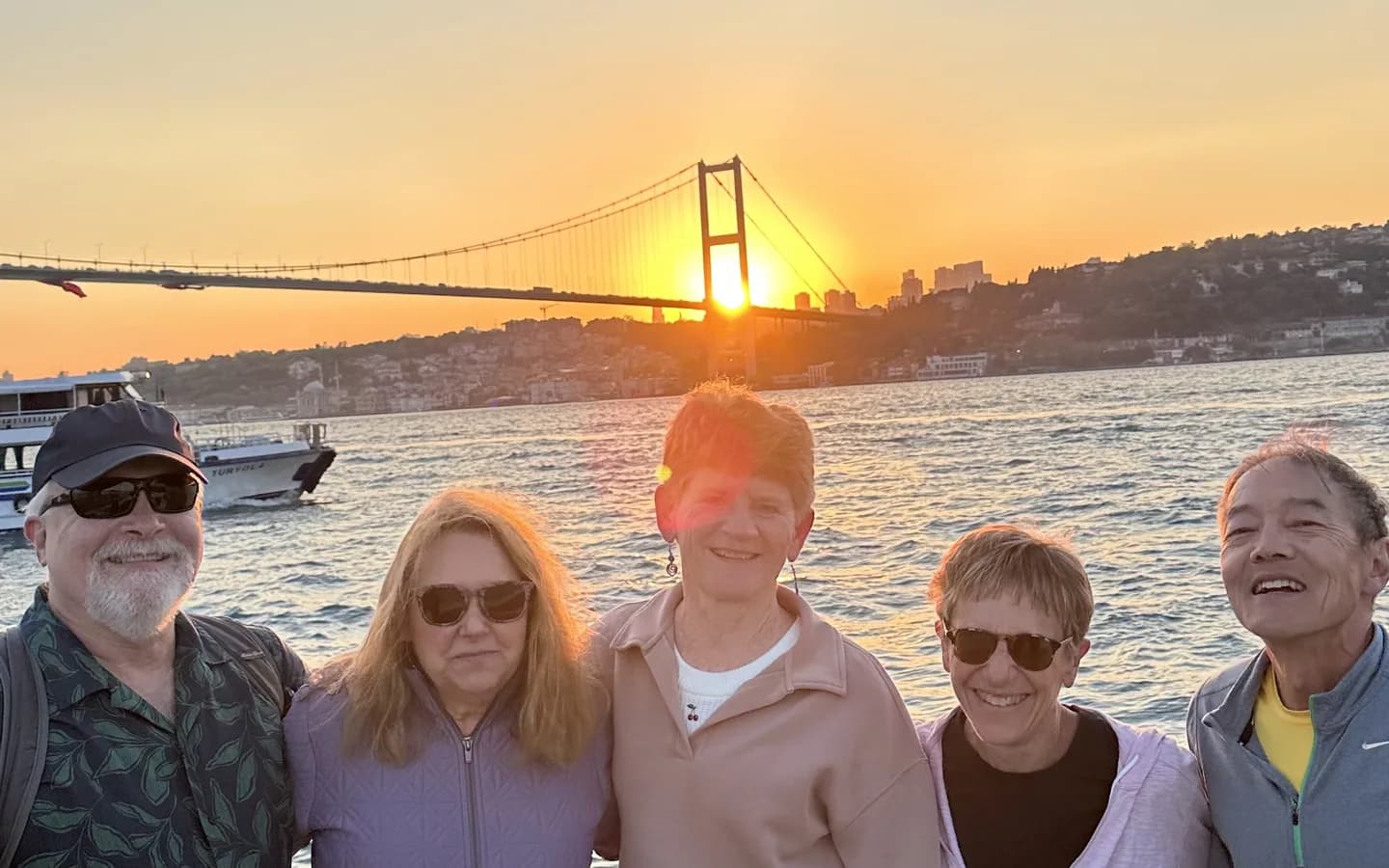
That is geography again. The north–south strait lets the setting sun side-light the Ottoman architecture of the European bank while the Asian hills catch the last direct rays, and the haze rising off the water scatters the light into colours measurably richer than you get inland. The catch is that the hour itself wanders wildly across the year, so booking the right departure means knowing where it has drifted to.

In late December the sun is gone by about 16:30, so winter dinner cruises leave early and are home by nine. By late March it has slid to 18:30 and the equinox balances light evenly across both shores. Late June pushes it out to roughly 20:30, putting sunset sailings at 18:00–18:30 and a return well into the dark. The September equinox pulls it back to about 19:00, and by late October it has retreated again to 17:30.

Whatever the date, do not leave when the sun does. The twenty to thirty minutes of blue hour that follow are every bit as good — the sky still holding colour as the bridge lights and palace floodlights flick on, a doubly lit scene that many shooters rate the best fifteen minutes on the entire strait. If the camera is your priority, book a sunset cruise or a yacht timed to sit you mid-strait for that handover, and look south from between the two bridges toward the Old City. That is the shot — and it is never quite the same twice.

Captain's Insight

For the absolute best sunset photography position: request the starboard (right) side of the vessel during the outbound leg when heading north. This faces the European shore where the major palaces catch the golden light. On the return heading south, switch to port (left) for the illuminated bridge views. On private yachts, ask the captain to slow down or briefly stop during the golden-to-blue hour transition.

Ready to book?

Plan Your Bosphorus Cruise

Compare shared sunset, dinner cruises, and private yacht charters in one place — pick what fits your group.

From: From €30Pier: Karaköy / Kabataş / Kuruçeşme

TÜRSAB A-Group licensed (#14316) · Direct booking, no middlemen.

Crowd Levels — When the Bosphorus Is Quiet vs Packed

Crowds on the Bosphorus are not random — they run to a rhythm, and once you know it you can pick a sailing with room on the deck, a clear view, and no queue at the pier. Start with the week, because it barely changes across the year: Friday to Sunday are the busy end, and a summer Saturday-evening dinner cruise can sell out entirely. Tuesday to Thursday are the quiet days — bookings can run a good 40% below the weekend — with Monday somewhere in between.

Then the season layers on top. July and August are the crush, with Istanbul drawing millions of visitors and the Eminönü piers at their most frantic. June and September are busy but civilised — present, not overwhelming, and three to five days’ notice usually secures your date. April, May, and October are the sweet spot I steer people toward: enough life on the boat to feel sociable, yet space to move, views unblocked, and often a seat going on the same day. From November through March the strait empties out, and some weekday sailings run at 40–60% full — which buys you elbow room, a crew with time to talk, and a far more intimate trip.

The hour counts too. Midday departures (11 AM–2 PM) fill first on sightseeing cruises because they slot neatly into a tourist’s day, so the early-morning and late-afternoon slots are calmer; on dinner cruises an early seating is usually busier than a later one. Two calendar notes worth a glance: during Ramadan the domestic crowd shifts but international numbers hold steady, and the Eid holidays at the end of Ramadan and again in midsummer bring heavy local travel that fills piers and boats more than usual.

Pro Tip

The quietest possible Bosphorus cruise experience: a Tuesday or Wednesday morning departure in November. You will have the deck nearly to yourself, the moody winter light is atmospheric, and prices are at their annual lowest. Bring a warm coat and enjoy the solitude.

TURSAB Licensed Since 2001

Explore Bosphorus Cruise Options

Photography Tips for Every Time of Day

Every time slot photographs differently, and a little planning per slot is the difference between snapshots and frames you will print. Here is how each part of the day behaves on the strait, with the one adjustment that matters most for each.

Morning (9–11 AM): soft, shadowless light — the best window for architecture, when the carving on a palace front, the tile on a mosque, and the stone of a fortress all read sharp and clean. The water is usually mirror-calm for reflections. Fit a polarising filter to cut glare and deepen the blue, and shoot from the Asian-shore side, because the east-facing European bank takes the morning sun full on the face.

Midday (12–3 PM): harsh shadows on the buildings, but the most vivid water of the day, shifting from deep blue to turquoise near the banks. Use it for wide establishing shots of the whole sweep, or for in-water shots if your yacht has a swim stop — and fit a lens hood to fight flare.

Golden hour (the hour before sunset): the main event. Warm side-light on the European shore, long depth-giving shadows, water running gold to copper. Underexpose a touch to hold the colour, reach for a 70–200mm to lift single landmarks against the sky, and wait for the signature frame — Ortaköy Mosque inside the arch of the bridge.

Blue hour (the half-hour after sunset): hardest and most rewarding, with the sky still coloured as the lights come on. Lift ISO to 800–1600 and lean on stabilisation, because the slower shutter the fading light demands will blur otherwise; the bridge colour-cycles show best now. Night (full dark): push ISO to 1600–3200, open up to f/2.8–f/4, brace hard against the railing, and let the light trails of passing ferries draw lines through your frame — a slightly longer exposure of 1/15–1/30s, held steady, catches the lit facades doubled in the calm water.

Seasonal Events That Enhance Your Bosphorus Cruise

Time your trip to land on one of Istanbul’s set-piece occasions and an already good cruise becomes a story you tell for years — the kind of local texture that solo sightseeing rarely delivers. A few are worth planning around.

The Tulip Festival in April is the most purely visual: over thirty million tulips across the city’s parks, many of them — the famous Emirgan Grove especially — visible straight from the deck, so a daytime charter slides past hillsides painted red, yellow, and purple. In summer the Music Festival (June) and Jazz Festival (July) put world-class acts on at waterfront venues, the Rumeli Fortress amphitheatre among them, and an evening yacht can hold position offshore to let the sound drift across the water.

Autumn brings Republic Day on 29 October, with ceremonies, parades, and the odd firework along the strait — front-row from a boat — while the Istanbul Biennial (September–November, odd years) and Contemporary Istanbul fill the waterfront galleries with art-world energy. During Ramadan the evenings turn special in a quieter way: the iftar cannon booms from Topkapı at sunset, carrying clear across the water, and the illuminated mahya strung between the minarets is a sight you will see at no other time of year.

Two dates top the request list. New Year’s Eve is the spectacular — midnight fireworks from points all along both shores, the whole strait erupting in light and sound — and the cruises for it sell out weeks ahead, so book three to four weeks early. Valentine’s Day on 14 February runs it close, with proposal packages of photographer, rose petals, and champagne in heavy demand. <a href='https://www.kultur.gov.tr' target='_blank' rel='noopener'>Turkey’s Ministry of Culture and Tourism</a> keeps a full events calendar worth a look as you plan.

  • April: Istanbul Tulip Festival — 30+ million tulips, visible from the water at Emirgan Grove
  • June: Istanbul Music Festival — waterfront concerts, some audible from yacht charters
  • July: Istanbul Jazz Festival — performances at Bosphorus-adjacent venues
  • September-November: Istanbul Biennial (odd years) — contemporary art along the waterfront
  • October 29: Republic Day — ceremonies and occasional Bosphorus fireworks
  • Variable: Ramadan — iftar cannon from Topkapi, illuminated mosque minarets
  • December 31: New Year's Eve — multi-point fireworks along both Bosphorus shores
  • February 14: Valentine's Day — peak demand for proposal and romantic yacht charters

Which Cruise Type Works Best in Each Season

Here is the same calendar read the other way round — by cruise type — because the right format shifts with the season. Spring (April–June) flatters everything: clear air and mild decks for the sightseeing cruise, uniquely clean golden light for the sunset cruise, pleasant evenings for upper-deck dinner dining. By May and June the northern strait warms to 18–20°C, so a yacht charter can add a swimming stop.

Summer (July–August) belongs to the evening. The late 20:30 sunset lines golden hour up perfectly with the sunset cruise; the warm nights suit dinner dining on the open deck; and the yacht-with-swim comes into its own. The one to approach with care is the midday sightseeing cruise — it can be punishingly hot, so if noon is your only option, pick a boat with real shade and carry plenty of water.

Autumn (September–October) is, to my eye, the connoisseur’s season. The sunset cruise gets the most dramatic light of the year, the sightseeing cruise gets comfortable air and turning foliage, and a photography-minded yacht charter gets both. Even the dinner cruise wins a bonus: the earlier sunset means you board in daylight and sail straight through golden hour into full night — the loveliest transition any season offers.

Winter (November–March) is the dinner cruise’s moment. The heated, glass-walled salon turns into a snug box seat for the illuminated strait, and because the sun sets so early (16:30–17:30) you see the night lighting through most of the sailing. Winter sunset cruises trade warmth for moody, discounted atmosphere — bring layers for the deck — and yacht charters stay available year-round, just on enclosed-salon boats rather than open gulets. The honest bottom line: there is no wrong time to sail the Bosphorus. Each season is a different trip, which is exactly why so many guests come back to see the strait in a light they have not met yet.

Good to Know

Istanbul's maritime climate means rain is possible in any month. Professional cruise companies maintain covered lower decks and enclosed salons that keep the experience intact in light rain. Heavy weather results in rescheduling, not a damp evening — confirm the company's weather policy before booking.

Next steps — pick your cruise

Three booking options. Same operator, same TÜRSAB licence. Pick the format that matches your group.

TÜRSAB A-Group licensed (#14316) · Direct booking, no middlemen.

Frequently Asked Questions

What is the single best month to cruise the Bosphorus?

September edges it: warm at 22–27°C, the most dramatic autumn sunsets of the year, thinning crowds, and fairer prices. May runs a very close second, with spring bloom and long days.

Morning or evening — which sailing is better?

It depends what you are after. Mornings give calm water, crisp views, and few people — ideal for photography and for families with young children. Evening sunset cruises give the most dramatic atmosphere and the best golden-hour light.

Is winter a bad time for a Bosphorus cruise?

Not at all — we sail year-round. Winter brings lower prices, near-empty decks, and moody atmospheric skies, and the dinner cruise is fully heated indoors. Just bring warm layers for any time on the open deck.

When does the sun set over the Bosphorus?

It moves from about 16:30 in December to roughly 20:30 in late June, and our sunset departures shift with it. Check the exact sunset for your dates when you book so you are mid-strait at the right moment.

When is the strait quietest?

Weekdays from November to February see the fewest passengers, and Tuesday to Thursday are quieter than weekends all year. For the calmest deck of all, take an early-morning departure around 9–10 AM.

Does it rain much during cruise season?

Istanbul averages only 5–8 rainy days a month and showers are usually brief. We sail through light rain with covered deck and indoor options; only a real storm cancels a trip, and that is rare and always rescheduled free.

Captain Yusuf Kaya
Captain Yusuf KayaWhy trust this guide

Senior Captain & Family Cruise Routes Lead

25+ years on the Bosphorus under a Turkish Maritime Authority master license, Captain Yusuf designs the family-friendly and shared-tier sunset routes GoldenSunsetTour operates. He focuses on calm-water timing windows for families and multi-generational groups, and personally briefs each shared-cruise departure. Speaks Turkish and conversational English.

Meet our Bosphorus crew →

Service routing

Move to the right cruise page

Use the comparison page to choose fast, then open the matching service page once the route is clear.

CY
Captain Yusuf Kaya

Senior Captain & Family Cruise Routes Lead

25+ years on the Bosphorus under a Turkish Maritime Authority master license, Captain Yusuf designs the family-friendly and shared-tier sunset routes GoldenSunsetTour operates. He focuses on calm-water timing windows for families and multi-generational groups, and personally briefs each shared-cruise departure. Speaks Turkish and conversational English.

Written by

Captain Yusuf Kaya
Captain Yusuf Kaya

Senior Captain & Family Cruise Routes Lead

25+ years on the Bosphorus under a Turkish Maritime Authority master license, Captain Yusuf designs the family-friendly and shared-tier sunset routes GoldenSunsetTour operates. He focuses on calm-water timing for families and multi-generational groups, and personally briefs each shared-cruise departure. Speaks Turkish and conversational English.

  • Bosphorus family cruise routing
  • Shared-tier sunset cruise operations
  • Calm-water timing for kids and elderly guests
  • Multi-generational guest briefings
  • Bosphorus current patterns
  • Istanbul harbor pilotage
  • Maritime safety drills
  • Turkish coastal routes
  • Sea of Marmara seamanship
  • Golden Horn navigation
  • TURSAB tourism regulation
  • Dolmabahce Palace shoreline
  • Rumeli Hisari historic fortress
  • Bosphorus Bridge crossing protocol
  • Shared-cruise group management
More about Captain

Explore Cruise Options in Istanbul

Browse current shared and private cruise options, then contact the team if you want help choosing the right plan.

Call