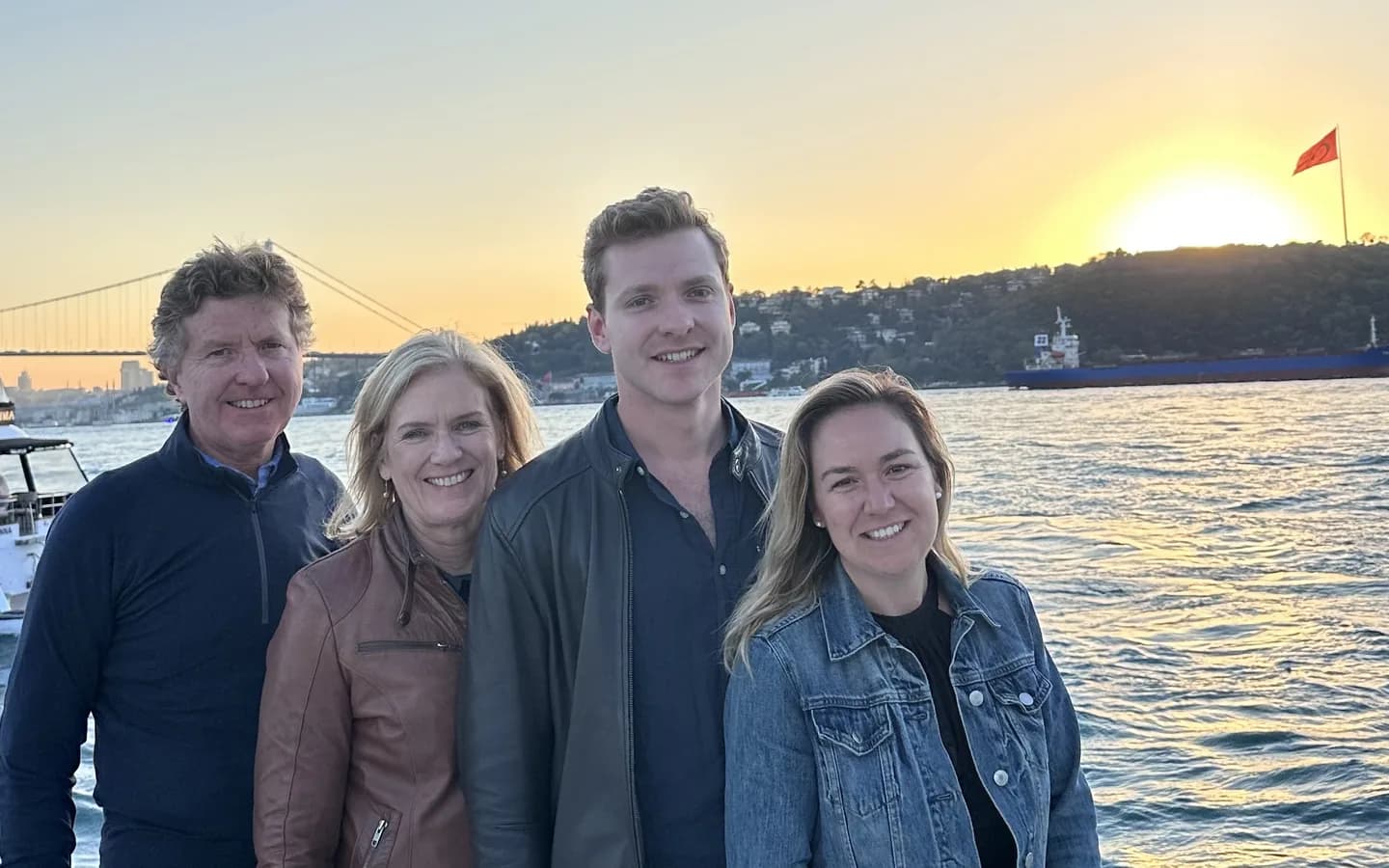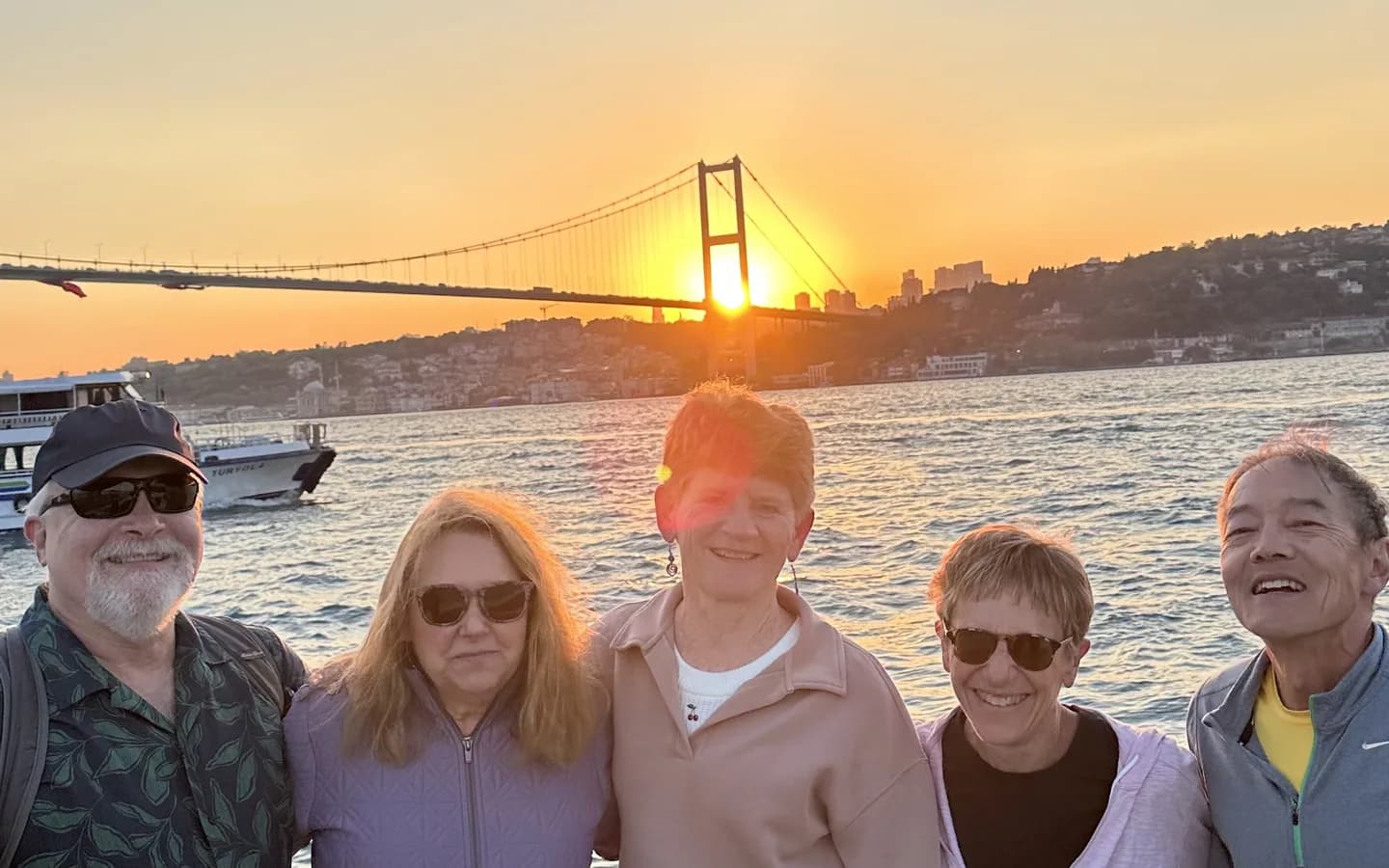
Istanbul's sunsets are not simply beautiful — they are geographically exceptional. The city sits at 41 degrees north, roughly on par with Naples, Barcelona, and New York, but what distinguishes its sunsets is the Bosphorus itself. The 31-kilometre strait creates a corridor of water that reflects and intensifies the setting sun's light in a way no land-based vantage point can replicate.
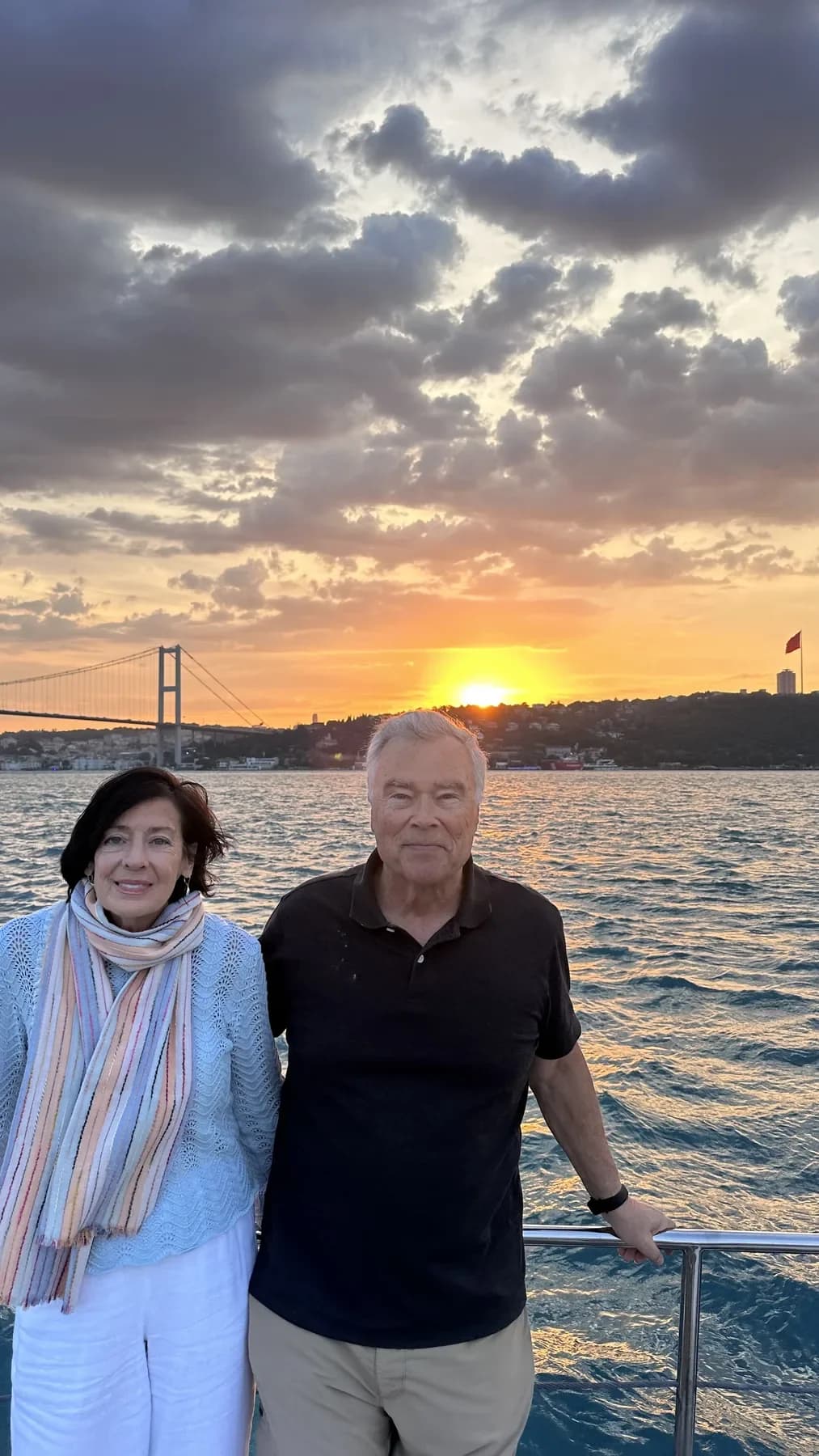
As the sun moves toward the western horizon, its light passes through progressively thicker atmosphere, scattering blue wavelengths while allowing reds and oranges to dominate. The strait's surface acts as an enormous mirror, doubling colour intensity by reflecting the sky back up toward the viewer. Istanbul's skyline — the domes and minarets of the <a href='https://en.wikipedia.org/wiki/Hagia_Sophia' target='_blank' rel='noopener'>Hagia Sophia</a>, the Blue Mosque, and Suleymaniye Mosque — creates a silhouette layer between the luminous sky and its reflection.
This three-layer composition (sky, silhouette, water reflection) is precisely why Bosphorus sunset photographs are so striking, and why photographers consistently rank Istanbul among the world's best sunset destinations. Cloud cover, often seen as a problem for sunsets, actually produces the most spectacular shows on the Bosphorus — cloud edges catch and refract light into vivid oranges, pinks, and purples that a clear sky cannot match. Partially cloudy evenings deliver superior sunsets roughly 70% of the time.
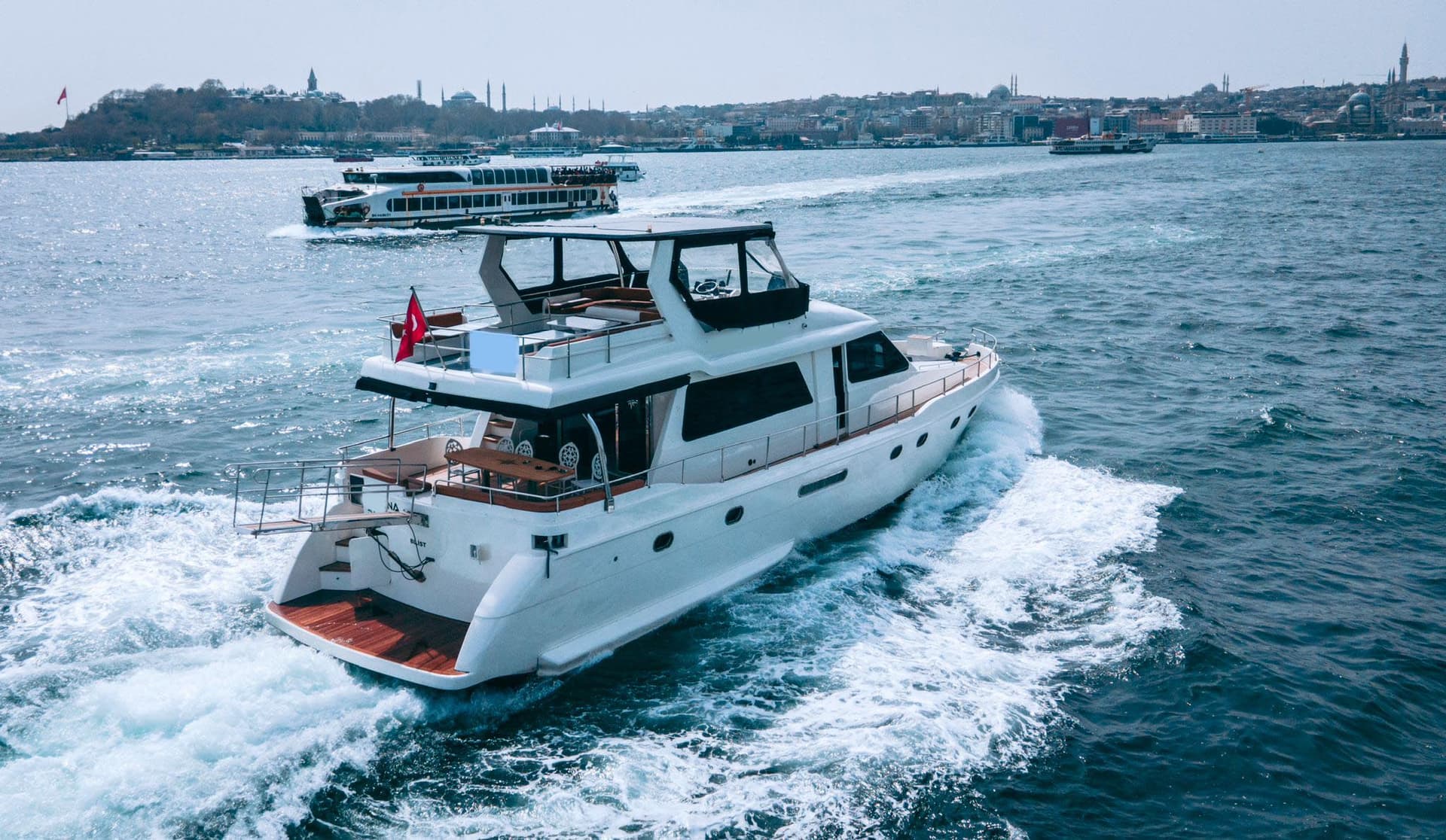
The moving vessel adds kinetic energy to this spectacle: as the cruise advances, the sun's angle relative to each landmark continuously shifts, creating a sequence of fresh compositions rather than one static scene.