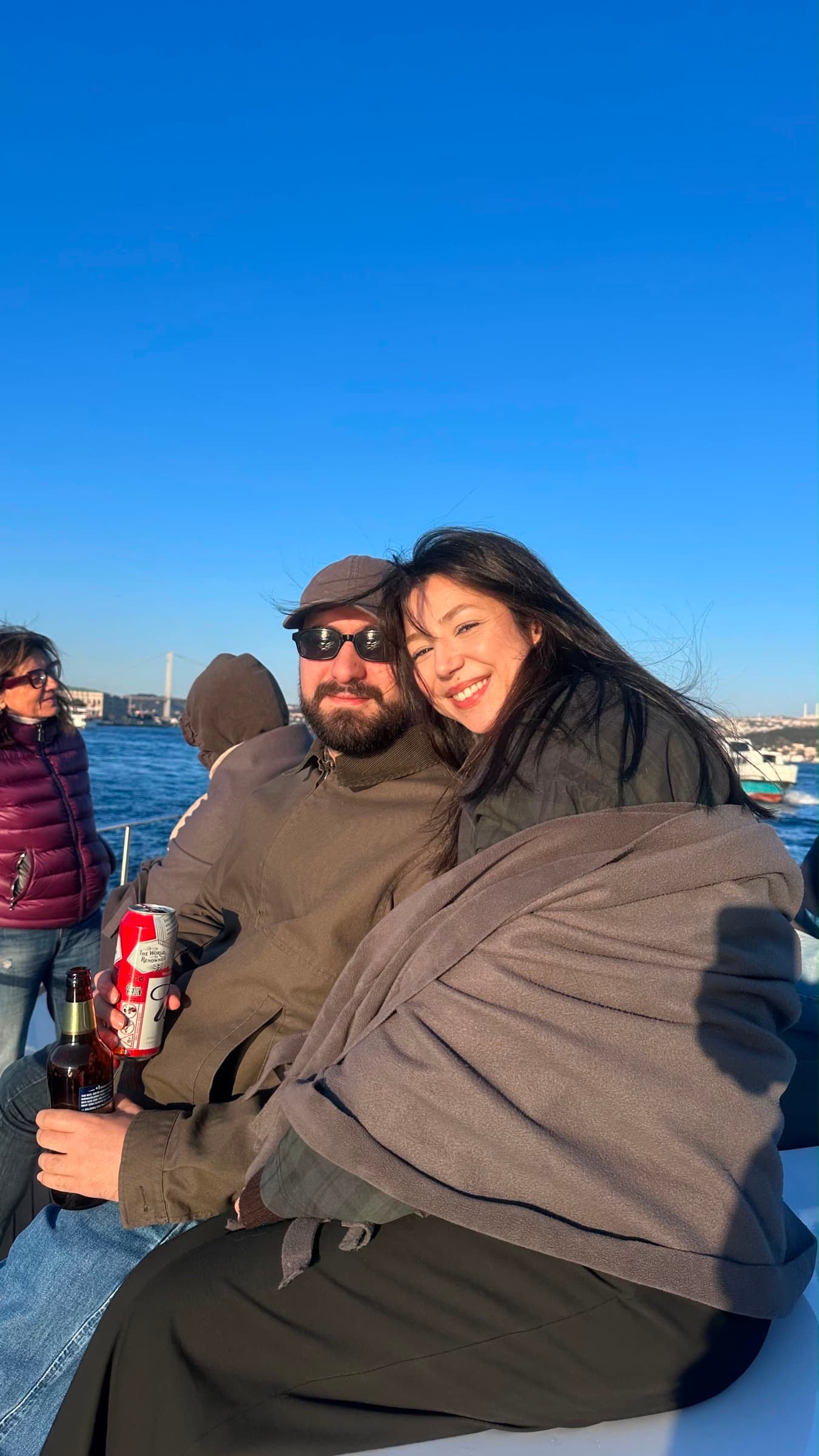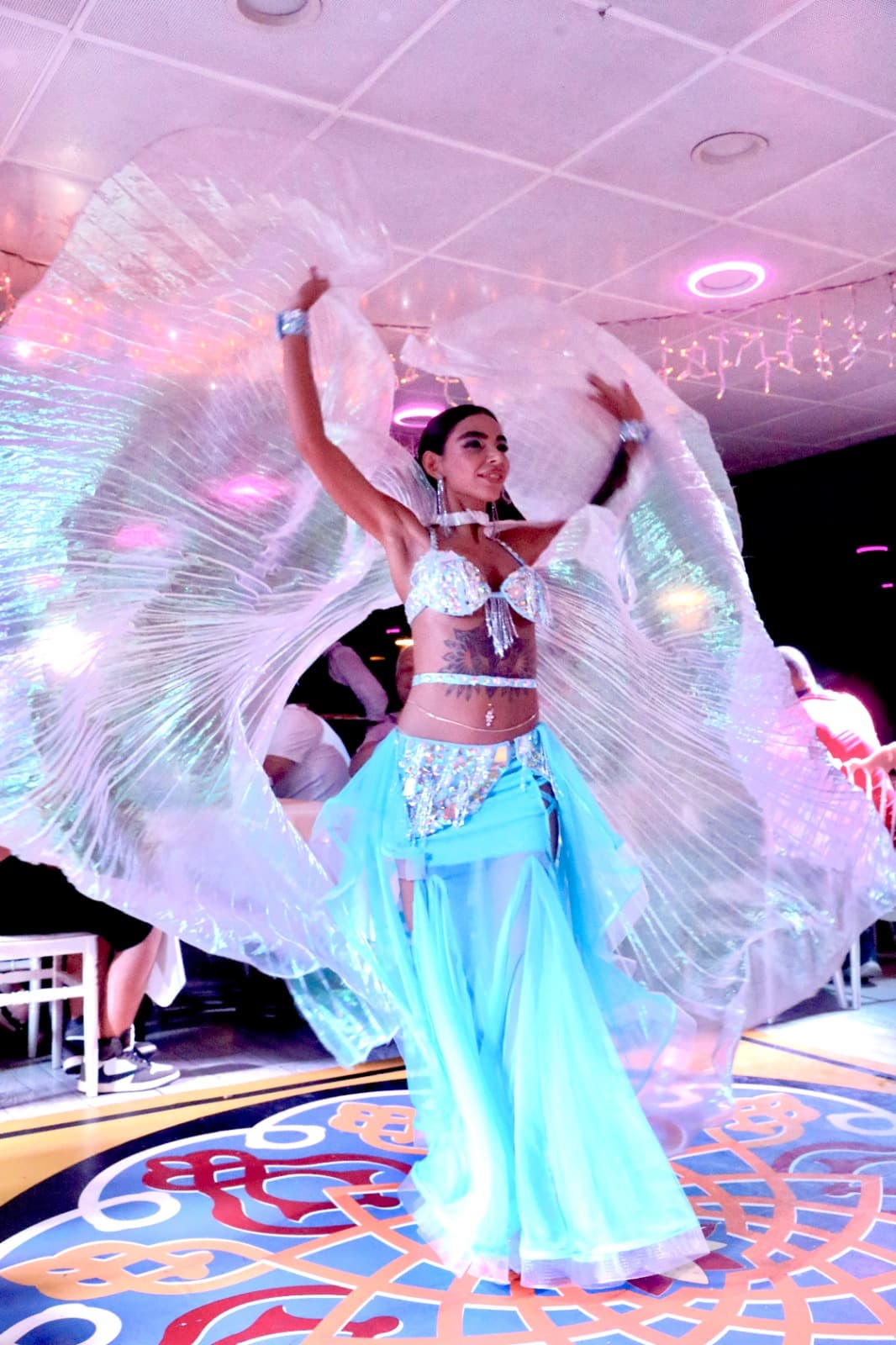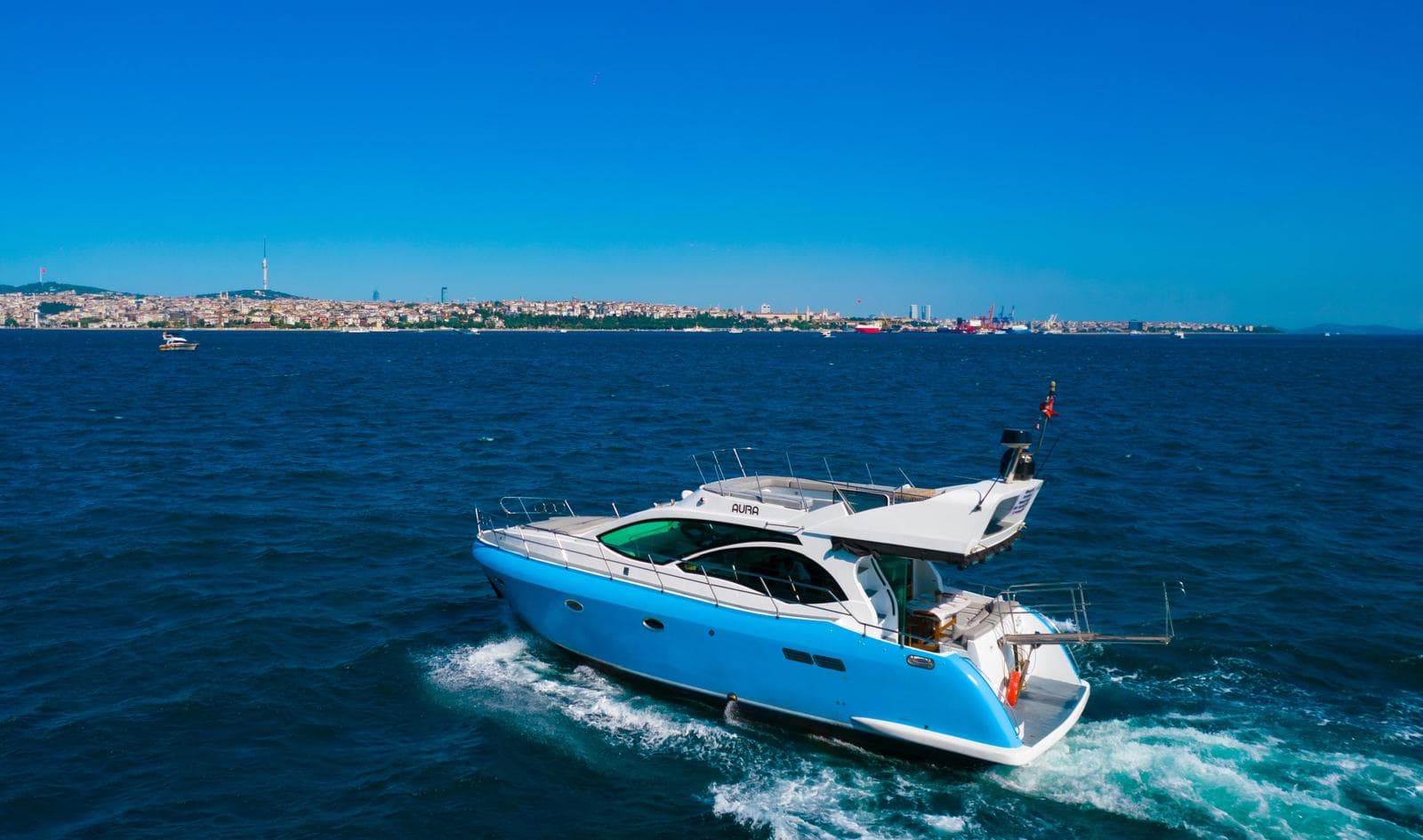
Here is the thing I tell every family before we cast off: the Bosphorus is not just the water that joins the Black Sea to the Marmara, it is 2,500 years of history lined up along 31 kilometres of shore. Greeks, Romans, Byzantines, Ottomans, the modern Republic — each one left buildings here, and there is nowhere else on earth with this much waterfront heritage packed so tightly. The part most visitors miss is that these places were built to be looked at from a boat in the first place.
The sultans put their palaces facing the strait on purpose, because the sea was the city's main road — important guests arrived by water, so the waterfront face was the one that had to impress. Take the <a href='https://en.wikipedia.org/wiki/Dolmabah%C3%A7e_Palace' target='_blank' rel='noopener'>Dolmabahçe Palace</a>: its 600-metre frontage, the longest palace facade anywhere, only makes sense from a deck. Walk up to it on foot and you get a gate; sail past it and you get the whole stage set the architects meant you to see.
The same goes for Beylerbeyi, Çırağan, the Ortaköy Mosque, the old wooden yalıs — the strait is the only place they truly read. The <a href='https://www.kultur.gov.tr' target='_blank' rel='noopener'>Turkish Ministry of Culture and Tourism</a> counts more than 620 registered historic structures along these banks: a couple of UNESCO-linked sites, 14 Ottoman mosques, a dozen palaces and pavilions, 35 yalıs, plus the old fortifications.
What a cruise really does is fold a week of walking into a single two-to-six-hour story you can follow from your seat — which, with children aboard, is the whole point. Below are the 14 landmarks that matter most, in the order we pass them sailing north from Beşiktaş.